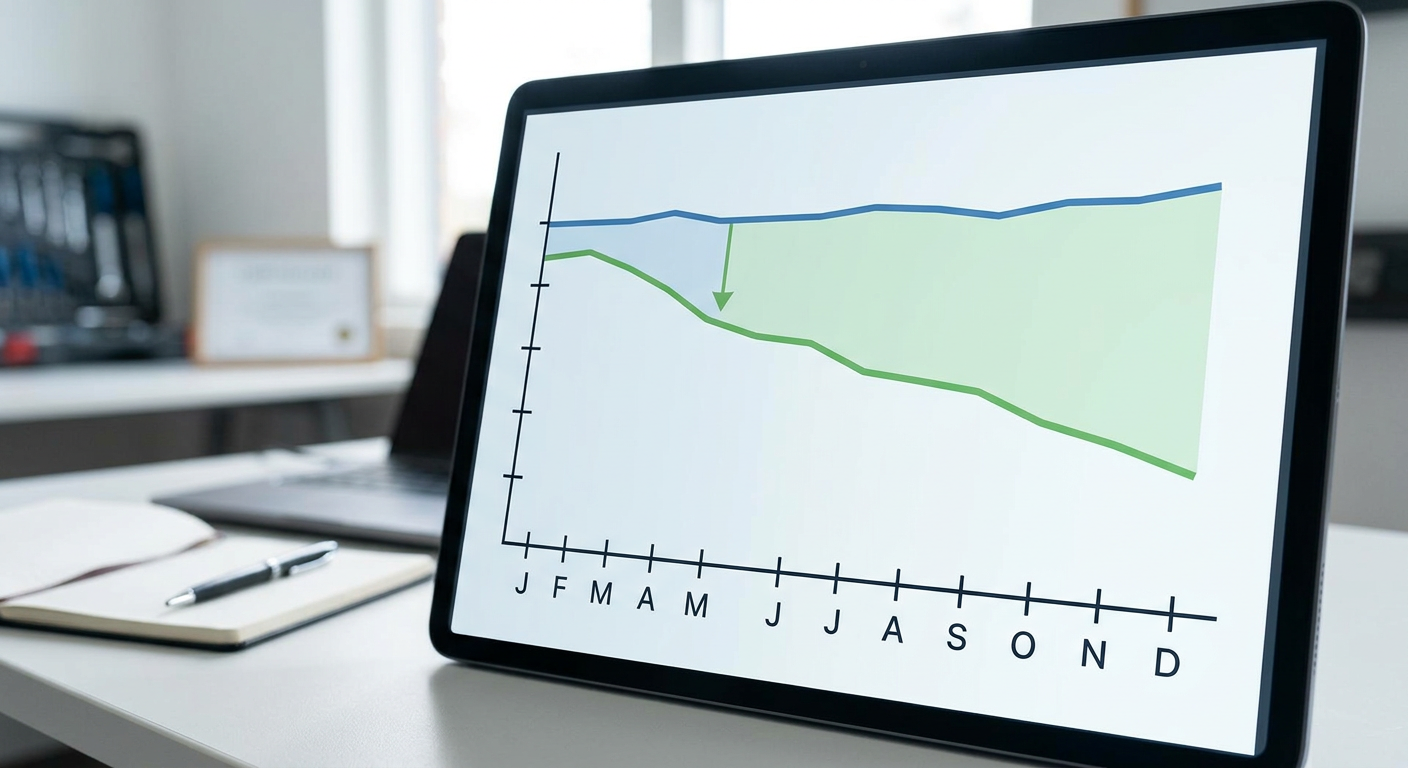
AI Receptionist vs Human Receptionist for Tradespeople: Full Comparison 2026
Choosing between an AI receptionist and a human receptionist is a significant decision for UK tradespeople in 2026. The choice impacts your bottom line, customer satisfaction, and overall business efficiency. This comprehensive comparison will help you navigate the pros and cons of both options and determine the best fit for your trade business.
What is an AI Receptionist?
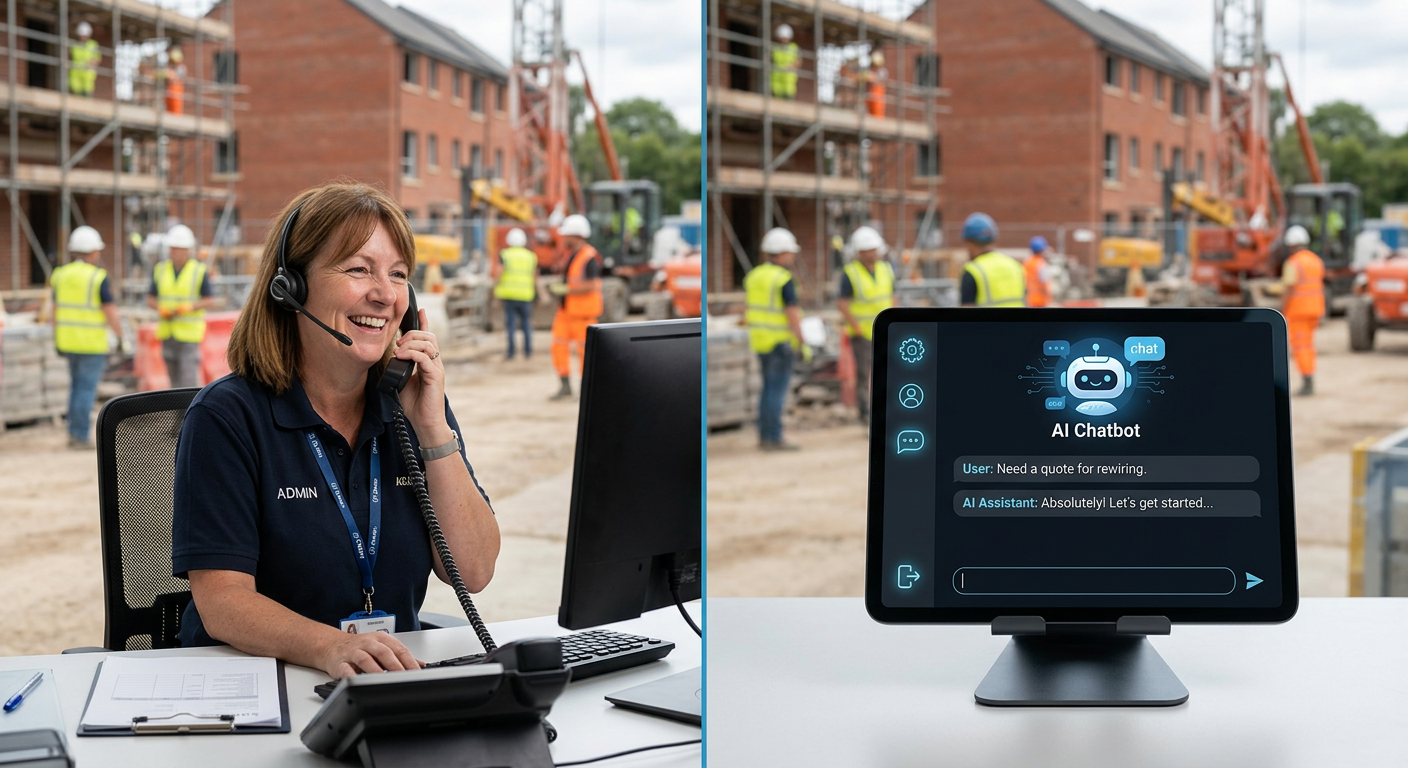
An AI receptionist is a software solution that uses artificial intelligence to handle incoming calls, schedule appointments, answer frequently asked questions, and perform other receptionist duties. Advanced AI receptionists can even understand natural language, learn from interactions, and provide personalised customer service. In essence, they mimic the tasks of a human receptionist, but operate 24/7 and at a potentially lower cost.
What is a Human Receptionist?
A human receptionist is a person who manages incoming calls, greets visitors, schedules appointments, handles administrative tasks, and acts as the first point of contact for your business. They provide a personal touch and can handle complex or nuanced situations that an AI might struggle with.
AI Receptionist vs Human Receptionist: A Detailed Comparison
Here's a detailed comparison across key areas to help you make an informed decision:
1. Cost:
* AI Receptionist: Typically involves a monthly subscription fee. The cost varies depending on the features offered and the number of calls handled. There are no associated costs like salaries, benefits, holiday pay, or sick leave.
* Human Receptionist: Includes salary, national insurance contributions, pension contributions, holiday pay, sick pay, and potential recruitment costs. This can be a significant expense, especially for small businesses.
Did you know?
The average salary for a receptionist in the UK in 2026 is around £25,000 per year. This doesn't include additional employer costs like national insurance and pension contributions.
2. Availability:
* AI Receptionist: Available 24/7, 365 days a year. This ensures that you never miss a call, even outside of business hours.
* Human Receptionist: Availability is limited to their working hours. You may need to hire additional staff or use an answering service to cover weekends, holidays, and evenings.
3. Customer Service:
* AI Receptionist: Can handle simple inquiries and provide basic information efficiently. However, they may struggle with complex or emotional situations. The level of personalisation may also be limited.
* Human Receptionist: Can provide a more personal and empathetic service. They can build rapport with customers, understand their specific needs, and handle complex situations with sensitivity.
4. Efficiency:
* AI Receptionist: Can handle a large volume of calls simultaneously without getting overwhelmed. They can quickly route calls, schedule appointments, and answer frequently asked questions.
* Human Receptionist: Can be limited by their capacity. During peak hours, they may struggle to handle all incoming calls promptly.
5. Scalability:
* AI Receptionist: Easily scalable to meet the changing needs of your business. You can adjust your subscription plan based on your call volume.
* Human Receptionist: Scaling requires hiring and training additional staff, which can be time-consuming and expensive.
6. Integration:
* AI Receptionist: Many AI receptionist solutions integrate with existing job management software and scheduling tools. This allows for seamless data flow and automation.
* Human Receptionist: Integration requires manual data entry and coordination between different systems.
7. Language Skills:
* AI Receptionist: Can be programmed to handle calls in multiple languages, which is beneficial if you serve a diverse customer base.
* Human Receptionist: Language skills are limited to the languages they speak fluently.
8. Learning and Adaptation:
* AI Receptionist: Modern AI systems learn and adapt over time, improving their responses and understanding customer needs based on past interactions. This continuous learning makes the AI more effective over time.
* Human Receptionist: Requires ongoing training and development to improve their skills and knowledge.
Scenarios Where an AI Receptionist Might Be Ideal
* High call volume: If you receive a large number of calls, an AI receptionist can help manage the workload and prevent missed calls.
* Limited budget: If you have a limited budget, an AI receptionist can be a more affordable option than hiring a full-time receptionist.
* Need for 24/7 availability: If you need to provide customer service outside of normal business hours, an AI receptionist can be a valuable asset.
* Simple inquiries: If most of your incoming calls are for simple inquiries, an AI receptionist can handle them efficiently.
Scenarios Where a Human Receptionist Might Be Ideal
* Complex customer service: If you need to provide a high level of personal and empathetic customer service, a human receptionist is essential.
* Building rapport with customers: If building strong relationships with customers is important to your business, a human receptionist can help foster those relationships.
* Handling sensitive situations: If you frequently deal with sensitive or emotional situations, a human receptionist can provide the necessary support and understanding.
* Need for administrative tasks: If you need someone to handle a wide range of administrative tasks, a human receptionist can provide valuable support.
Tip:
Consider a hybrid approach. Use an AI receptionist for basic tasks and after-hours coverage, and a human receptionist for complex inquiries and relationship building.
How to Choose the Right Solution for Your Trade Business
- Assess your needs: Identify your call volume, customer service requirements, budget, and desired level of automation.
- Research different solutions: Explore different AI receptionist and human receptionist options available in the market.
- Read reviews: See what other tradespeople are saying about different solutions.
- Consider integration: Ensure that the solution you choose integrates with your existing quote software and other business tools.
- Try before you buy: Many AI receptionist providers offer free trials or demos.
- Factor in long-term costs: Don't just focus on the initial cost. Consider the long-term costs and benefits of each option.

The Future of Reception for Tradespeople
The future likely involves a blend of AI and human interaction. AI will handle routine tasks, freeing up human receptionists to focus on more complex and valuable interactions. This hybrid approach will optimise efficiency and enhance customer satisfaction.
Tip:
Ensure any AI solution you implement complies with all UK data protection laws, particularly GDPR, regarding the handling of customer data.
Optimising Your Choice With TradeFlow
Ultimately, the best choice depends on your specific business needs and priorities. Carefully consider the pros and cons of each option before making a decision. Integrating your chosen receptionist solution (AI or human) with a comprehensive scheduling app like TradeFlow can further streamline your operations. TradeFlow's job management features, combined with efficient call handling, ensure your trade business runs smoothly and efficiently, allowing you to focus on delivering exceptional service to your customers.