Managing Material Price Fluctuations: A Guide for UK Tradespeople
Navigating the ever-changing landscape of material prices is a constant challenge for UK tradespeople. From timber and steel to copper and plastics, fluctuations can significantly impact your profit margins and make accurate quoting a real headache. This guide provides practical strategies and advice to help you manage these fluctuations, ensuring your business remains profitable and competitive.
Understand the Factors Influencing Material Prices for Tradespeople
Several factors contribute to material price volatility. These include:
* Global Demand and Supply: Increased demand, often driven by large-scale construction projects or economic growth, can push prices up. Conversely, supply chain disruptions or reduced demand can lead to price drops.
* Currency Fluctuations: As many materials are traded internationally, changes in the value of the pound sterling can impact the cost of imported materials.
* Geopolitical Events: Wars, trade disputes, and political instability can disrupt supply chains and cause price spikes.
* Seasonal Factors: Certain materials, such as timber, may experience price fluctuations due to seasonal harvesting or production cycles.
* Inflation: General inflation across the economy will steadily increase the cost of materials.
Tip:
Stay informed about industry news and economic forecasts to anticipate potential price changes. Sign up for newsletters from material suppliers and follow relevant trade publications.

Strategies for Accurate Cost Estimating
Accurate cost estimating is crucial for protecting your profit margins in a volatile market. Here are some strategies to help you:
- Use Up-to-Date Pricing: Regularly check with your suppliers for current prices. Don't rely on outdated price lists or assumptions.
- Factor in Price Fluctuations: When preparing quotes, consider adding a buffer to account for potential price increases. A contingency of 5-10% is a good starting point, but this may need to be higher for projects with longer lead times or materials that are known to be particularly volatile.
- Get Multiple Quotes: Obtain quotes from multiple suppliers to ensure you're getting the best possible price. This also gives you a better understanding of the prevailing market rates.
- Specify Material Grades and Quantities Clearly: Avoid ambiguity in your quotes. Clearly specify the grade, quality, and quantity of materials required to minimize the risk of disputes or unexpected costs.
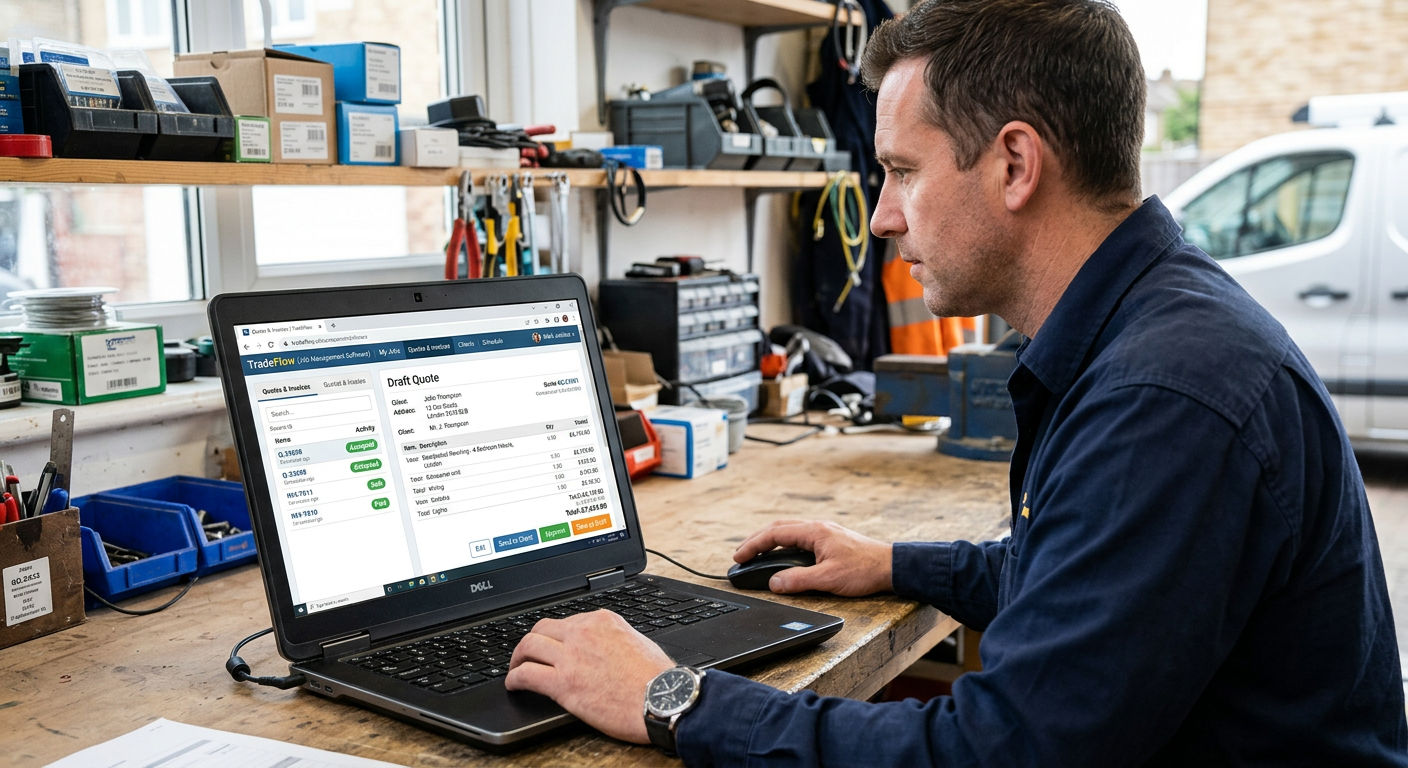
- Use Job Management Software for Accurate Tracking: Implement job management software to track material costs, manage quotes, and monitor project profitability. This will give you real-time insights into your financial performance and help you identify potential issues early on.
Did you know?
A recent survey by the Federation of Master Builders found that over 70% of UK construction firms reported increased material costs in the past year.
- Implement an escalation clause: This is a contractual clause that allows you to adjust the price of a project based on changes in material costs. Make sure to clearly define how the price will be adjusted and what materials are covered by the clause.
Negotiating with Suppliers
Building strong relationships with your suppliers can help you secure better prices and terms. Consider the following:
* Negotiate Bulk Discounts: If you regularly purchase large quantities of materials, negotiate bulk discounts with your suppliers.
* Establish Credit Terms: Secure favourable credit terms to improve your cash flow and reduce the need to pay upfront for materials.
* Build Long-Term Relationships: Cultivate strong relationships with your suppliers. They are more likely to offer you preferential pricing and support if they value your business.
Managing Risk Through Effective Contracts
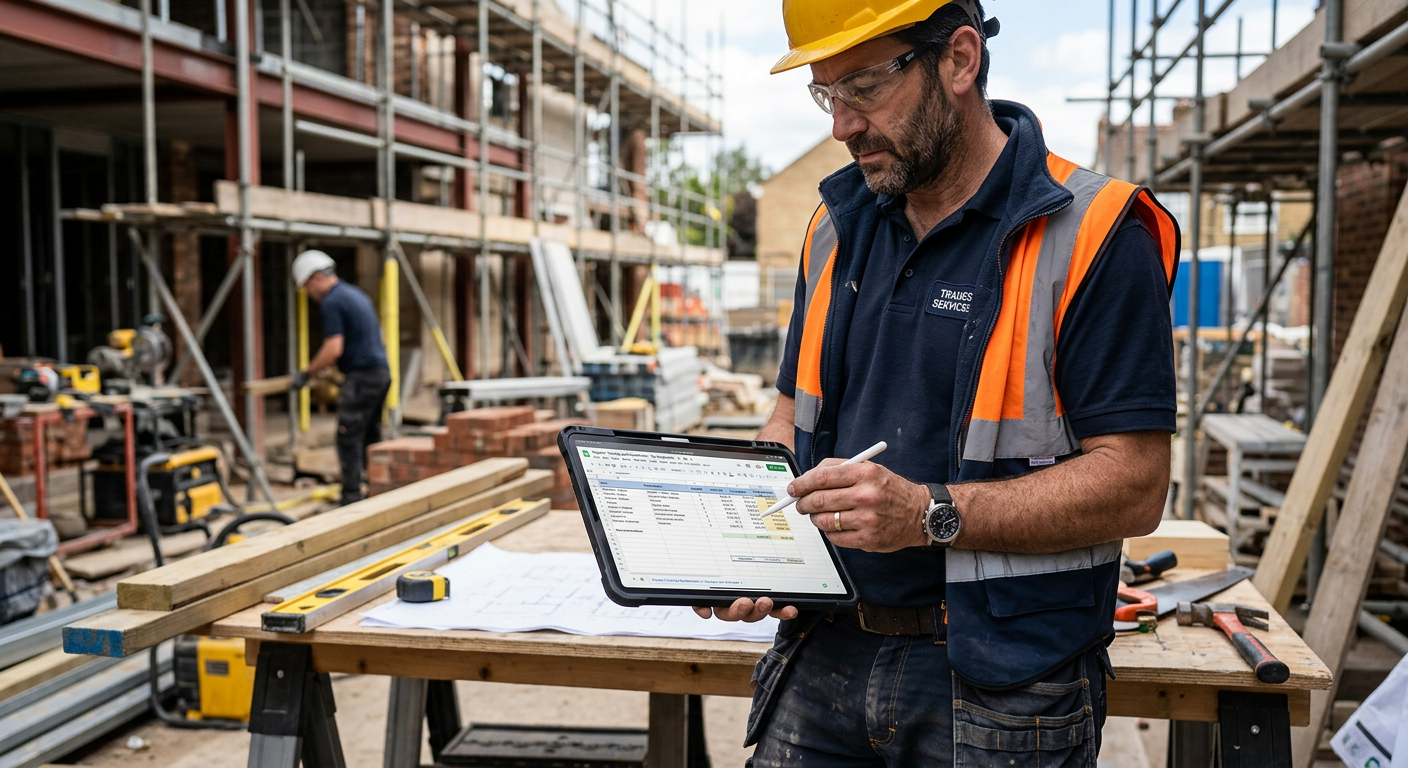
Your contracts with clients should clearly outline your responsibilities regarding material costs. Consider including clauses that allow you to adjust the price if material costs increase significantly. Ensure that your clients understand the potential for price fluctuations and are prepared to accept adjustments if necessary.
Tip:
Consult with a legal professional to ensure your contracts are robust and protect your interests in the event of material price fluctuations.
Leveraging Technology for Better Cost Control
Technology can play a vital role in managing material price fluctuations. Consider using the following tools:
* Cost Estimating Software: Use specialised software to generate accurate cost estimates and track material prices. This software can automate many of the manual processes involved in cost estimating and help you identify potential cost overruns.
* Invoicing App: Use an invoicing app integrated with your job management system to ensure accurate billing and prompt payment. This will help you maintain a healthy cash flow and avoid delays in receiving payment for your services.
* Quote Software: Utilise software that automatically updates material costs and allows for easy adjustments to quotes based on changing prices. This ensures your quotes are always competitive and accurate.
* Scheduling App: Efficient scheduling helps to minimise wasted materials and labour costs. Integrate your scheduling with your job management software for optimal resource allocation.
Practical Example: Dealing with a Sudden Price Increase
Let's say you've quoted a job that requires a significant amount of copper pipe. Shortly after you submit the quote, the price of copper increases by 15%. Here's how you could handle the situation:
- Contact the Client: Immediately contact the client to explain the situation and the potential impact on the project cost.
- Present Options: Offer the client several options, such as absorbing a portion of the cost increase, using alternative materials, or adjusting the project scope.
- Document Everything: Keep a detailed record of all communication with the client, including emails, phone calls, and meeting notes.
- Adjust the Contract (If Necessary): If the client agrees to a price increase, amend the contract to reflect the new cost. Ensure that both parties sign and date the amendment.
In conclusion, managing material price fluctuations requires a proactive and strategic approach. By staying informed, using accurate cost estimating techniques, negotiating effectively with suppliers, and leveraging technology, UK tradespeople can protect their profit margins and ensure the long-term success of their businesses. Using features of professional website from TradeFlow can help attract new clients for your business.
TradeFlow's job management software can help you streamline your quoting process, track material costs, and manage your finances effectively. Sign up for a free trial today and see how TradeFlow can help you take control of your business.