Tradespeople: Choosing the Best Van for the Job
Choosing the best van for tradespeople in the UK is a critical decision that impacts everything from daily efficiency to long-term profitability. Your van isn't just transport; it's a mobile workshop, storage unit, and often, a rolling advertisement for your business.
Assess Your Trade-Specific Needs
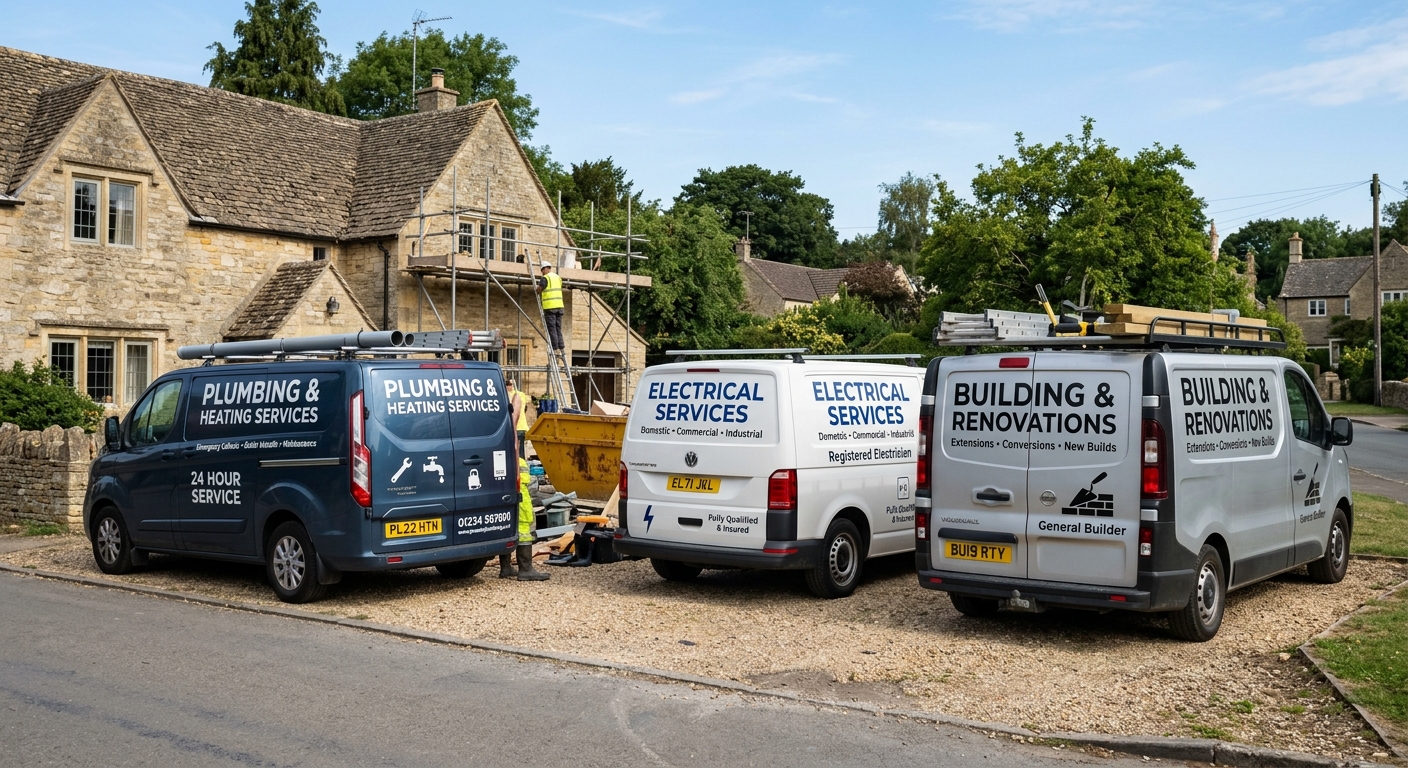
Before even browsing dealerships, take a hard look at your daily requirements. What kind of loads do you typically carry? What equipment is essential? Do you need specific features like ladder racks, pipe carriers, or a secure storage system for valuable tools?
* Plumbers: Need ample space for pipes, fittings, and bulky equipment like drain unblockers and occasionally even small hot water tanks.
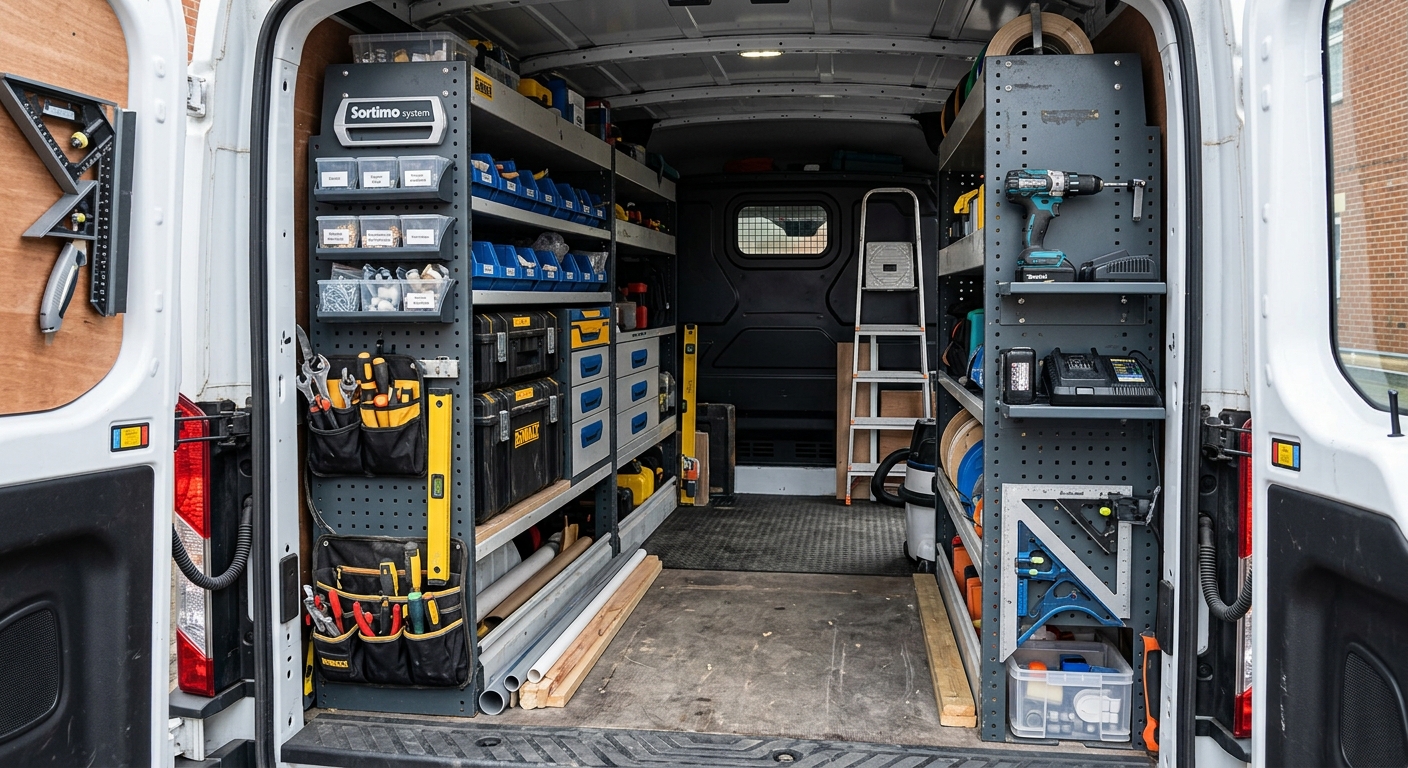
* Electricians: Require secure storage for expensive tools, cable reels, and testing equipment. Consider shelving and compartmentalisation to keep everything organised and easily accessible.
* Builders: Demand robust vehicles capable of carrying heavy materials like cement, bricks, and timber. Pay attention to payload capacity and consider a tipper van for easy material disposal.
* Carpenters: Long lengths of timber require vans with extended cargo areas or roof racks. Secure internal racking is essential for keeping tools and materials safe during transit.
* Landscapers: Need space for tools, plants, and often, waste removal. A tipper van or a van with a tow bar for a trailer is often essential.
Consider Van Size and Configuration
Van sizes range from small city vans to large panel vans. Your choice depends on your typical load and parking requirements. Consider these factors:
- Cargo Volume: How much space do you realistically need? Don't just think about today's needs; consider potential future growth.
- Payload Capacity: Can the van handle the weight of your tools, materials, and equipment? Overloading can damage the vehicle and invalidate your insurance.
- Wheelbase: A longer wheelbase provides more cargo space but can make the van less manoeuvrable in tight spaces.
- Roof Height: A high-roof van allows you to stand upright inside, which can be a significant advantage for comfort and efficiency.
- Configuration: Do you need a crew cab for carrying extra workers? A tipper for landscaping? A Luton van for maximum cargo volume?
Tip:
Consider the accessibility of your typical job sites. Can you easily park a large van on narrow residential streets?
Evaluate Fuel Efficiency and Running Costs
Fuel costs are a significant expense for tradespeople. Consider these factors when evaluating fuel efficiency:
* Engine Type: Diesel engines are generally more fuel-efficient for heavy loads, but petrol engines can be a better choice for shorter journeys in urban areas. Electric vans are becoming increasingly popular, offering significant fuel savings and reduced emissions.
* Fuel Consumption: Check the official fuel consumption figures (miles per gallon or MPG) for different models, but remember that real-world figures can vary depending on driving style and load.
* Road Tax: Road tax rates vary depending on the van's emissions. Electric vans are currently exempt from road tax.
* Servicing and Maintenance: Factor in the cost of regular servicing and maintenance. Some manufacturers offer service plans that can help you budget for these costs.
Running costs also include insurance. Remember to shop around for the right van insurance.
Prioritise Security Features
Van theft is a major problem for tradespeople in the UK. Protect your valuable tools and equipment by prioritising security features:
* Alarm System: A Thatcham-approved alarm system is a must-have.
* Deadlocks: Install deadlocks on all doors to make it more difficult for thieves to break in.
* Window Blanks: Fit window blanks or security film to prevent thieves from seeing what's inside.
* Tracker System: A GPS tracker can help you recover your van if it's stolen.
* Tool Vaults: Securely store valuable tools in a locked tool vault inside the van.
Explore Financing Options
Vans are a significant investment. Explore these financing options:
* Hire Purchase (HP): You pay for the van in instalments over a set period, and you own it at the end of the agreement.
* Lease Purchase: Similar to HP, but you have the option to purchase the van at the end of the agreement for a balloon payment.
* Contract Hire: You lease the van for a fixed period and mileage, and you return it at the end of the agreement. This option includes maintenance and servicing.
* Business Loan: You can borrow money from a bank or other lender to purchase the van outright.
Did you know?
According to recent surveys, tradespeople spend an average of £1,500 per year on replacing stolen tools.
Consider Used Vans
A used van can be a cost-effective option, but it's essential to do your research and inspect the vehicle carefully. Look for vans with a full service history and check for signs of wear and tear. Consider getting a professional inspection before you buy.
Leverage Technology for Efficiency
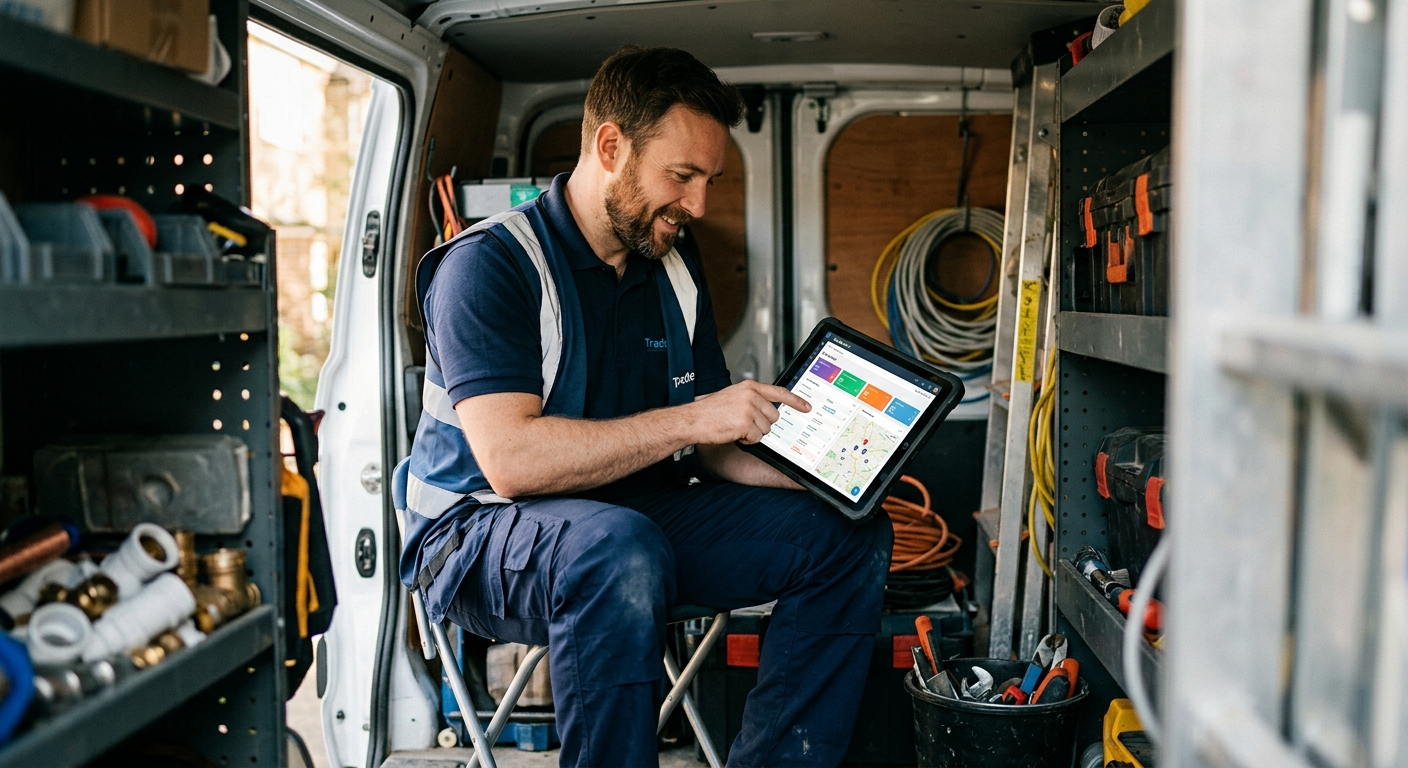
Once you have your van, equip it with technology to streamline your operations. A reliable sat nav is essential for navigating to job sites. Consider a dashcam for security and insurance purposes. And, of course, integrate your van with your job management software like TradeFlow. Use your van as a mobile office.
Key Van Models to Consider
* Ford Transit: The best-selling van in the UK, known for its reliability and versatility.
* Mercedes-Benz Sprinter: A premium van with a reputation for quality and comfort.
* Volkswagen Transporter: A stylish and practical van, popular with tradespeople.
* Vauxhall Vivaro: A competitively priced van that offers good value for money.
* Renault Kangoo: A compact van that's ideal for city driving.
Choosing the right van is a vital investment for your trades business. By carefully assessing your needs, considering the various factors outlined above, and doing your research, you can select a van that will help you work more efficiently, securely, and profitably. Remember to factor in the cost of quote software because a professional image will give you the edge over the competition. With the right van and the right tools, you'll be well-equipped to tackle any job. TradeFlow can also help streamline your business operations, from scheduling to invoicing, allowing you to focus on what you do best.