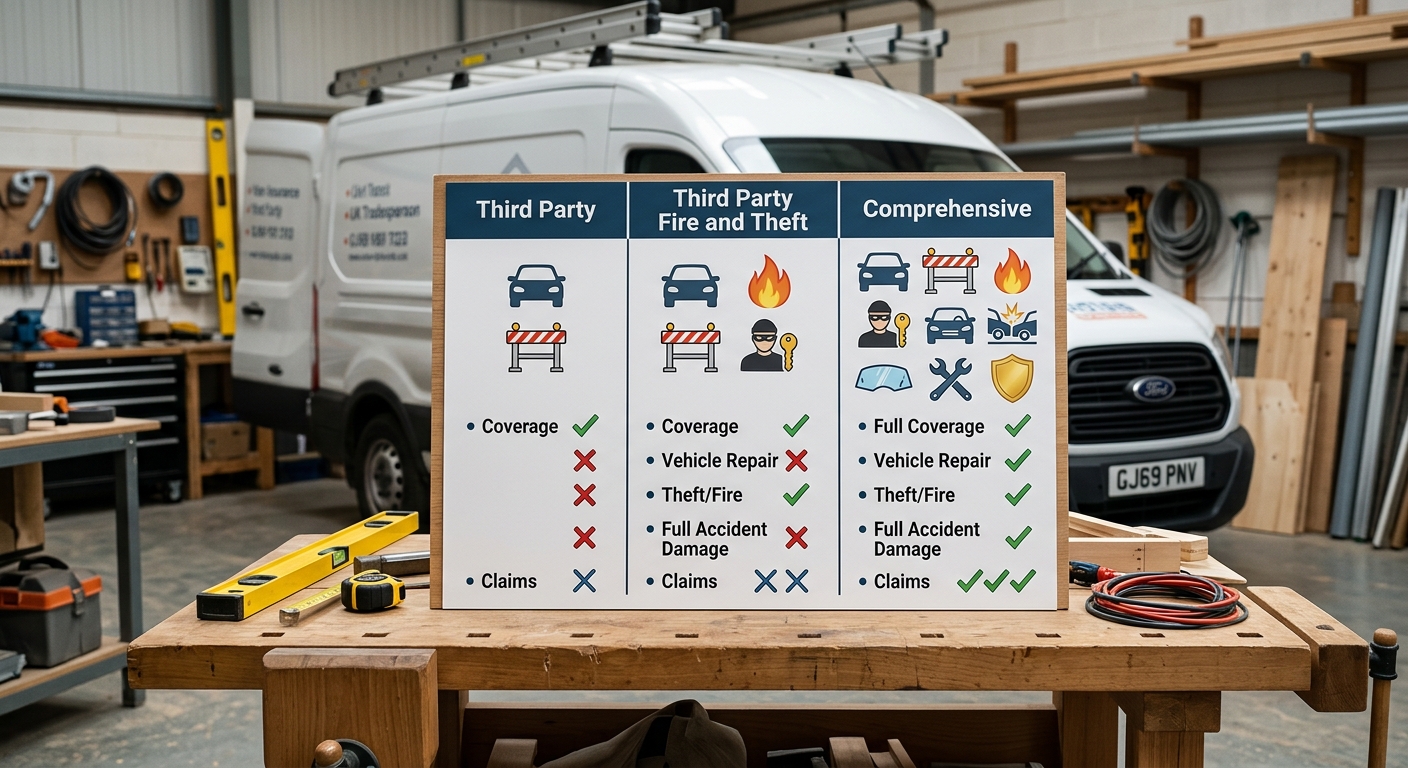
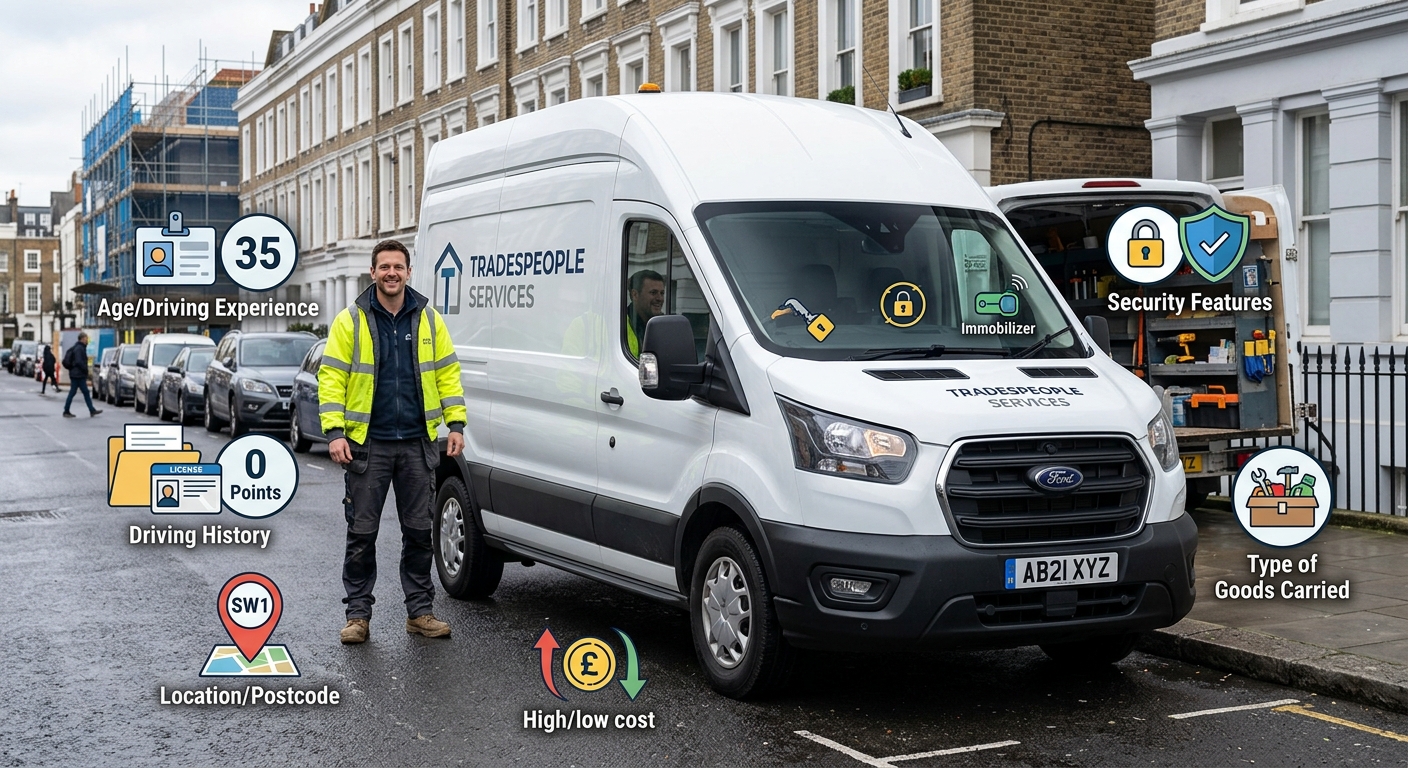
Choosing the right van insurance is crucial for UK tradespeople. It's not just a legal requirement; it's about protecting your livelihood. A single accident without adequate insurance can cripple your business. This guide simplifies the process, helping you understand the different types of cover, key considerations, and how to find the best deal for your specific needs. ## Understanding the Basics of Van Insurance for Tradespeople Van insurance differs significantly from standard car insurance. Because you're using your van for business purposes, you need a policy that covers commercial use. This includes carrying tools, equipment, and materials, as well as travelling between jobs. Failing to declare commercial use can invalidate your policy, leaving you financially vulnerable. There are three main types of van insurance: Third Party: This is the minimum legal requirement. It covers damage or injury you cause to other people and their property. It doesn't cover any damage to your own van. Third Party, Fire and Theft: This offers the same cover as Third Party, but also protects your van if it's stolen or damaged by fire. Comprehensive: This provides the most extensive cover. It includes everything covered by Third Party, Fire and Theft, plus damage to your own van, even if you're at fault in an accident. > Tip: Consider adding breakdown cover to your van insurance policy. Being stranded with a broken-down van can disrupt your schedule and cost you valuable time and money. This integrates well with a scheduling app] for managing jobs and rescheduling if necessary. ## Key Considerations When Choosing Van Insurance Several factors influence the type of van insurance you need and the price you pay. Here are some key considerations: 1. Type of Goods Carried: Are you carrying hazardous materials? High-value tools? The type of goods you transport will affect the risk assessment and, therefore, the cost of your insurance. 2. Mileage: The more miles you drive, the higher the risk of an accident. Be honest about your estimated annual mileage. 3. Security Features: Installing security features like alarms, immobilisers, and trackers can reduce the risk of theft and lower your insurance premium. 4. Driving History: A clean driving record will result in lower premiums. Accumulating points on your licence will significantly increase the cost of your insurance. 5. Excess: The excess is the amount you pay towards a claim. A higher excess generally means a lower premium, but make sure you can afford to pay the excess if you need to make a claim. 6. Business Use: Be precise about how you use your van. Is it solely for commuting to a single worksite, or are you travelling to multiple locations throughout the day?
 A comparison table highlighting the pros and cons of different types of van insurance: Third Party, Third Party Fire and ## Finding the Best Van Insurance Deals Shopping around is essential to find the best van insurance deal. Here are some tips: 1. Compare Quotes: Use comparison websites to get quotes from multiple insurers. Don't just go for the cheapest quote; consider the level of cover and the insurer's reputation. 2. Consider Specialist Insurers: Some insurers specialise in providing cover for tradespeople. They may offer more tailored policies and better value for money. 3. Increase Your Excess: If you're comfortable paying a higher excess, you can lower your premium. 4. Pay Annually: Paying annually is usually cheaper than paying monthly. 5. Review Your Policy Regularly: Your insurance needs may change over time. Review your policy each year to ensure it still meets your requirements. > Did you know? According to recent industry data, tradespeople who compare van insurance quotes save an average of £250 per year. ## Additional Cover Options Consider these additional cover options to further protect your business: Tools Insurance: This covers the cost of replacing stolen or damaged tools. Public Liability Insurance: This protects you against claims from third parties for injury or damage caused by your work. Goods in Transit Insurance: This covers the cost of replacing goods that are lost or damaged while being transported in your van. It's also important to ensure your [quote software] integrates with your [job management software
 to accurately reflect insurance costs and factor them into your overall pricing.
 A graphic illustrating the various factors that influence the cost of van insurance for tradespeople in the UK (e.g., ag
 ## The Impact of Location on Van Insurance Costs Where you park your van overnight significantly impacts your insurance premium. Parking in a secure garage or driveway is far less risky than parking on a public street. Insurers consider postcode data to assess the risk of theft and vandalism. If you operate in a high-crime area, consider investing in additional security measures, such as a Thatcham-approved alarm system, a steering wheel lock, and a GPS tracker. These measures can deter thieves and potentially lower your insurance costs. >
Tip: Inform your insurer of any security upgrades you make to your van. This could lead to a reduction in your premium. ## Using Telematics to Reduce Insurance Costs Telematics, also known as black box insurance, involves installing a device in your van that tracks your driving behaviour. This data is then used by the insurer to assess your risk and potentially offer discounts for safe driving. Telematics can be particularly beneficial for young or inexperienced drivers, who typically face higher insurance premiums. By demonstrating safe driving habits, they can earn discounts and build a positive driving record. ## Choosing the Right Policy: A Practical Example Let's say you're a self-employed electrician operating in London. You carry a range of expensive tools in your van and travel to multiple locations each day. In this scenario, you'd likely need comprehensive van insurance with tools cover and public liability insurance. You should also consider goods in transit insurance to protect against the loss or damage of materials being transported to a job. By comparing quotes from multiple insurers and considering specialist providers for tradespeople, you can find a policy that provides adequate cover at a competitive price. Remember to factor in the cost of any additional security measures you implement to reduce the risk of theft.
 A tradesperson happily driving their van, knowing they have the right insurance cover.
 ## Conclusion Choosing the right van insurance is an essential part of running a successful trade business. By understanding the different types of cover, considering your specific needs, and shopping around for the best deals, you can protect your livelihood and ensure you're adequately covered on the road. Don't just opt for the cheapest policy; consider the level of cover and the insurer's reputation. A comprehensive policy with additional cover options like tools insurance and public liability insurance can provide peace of mind and protect you against unexpected costs. Streamline your business operations and ensure you're always on top of your insurance renewals with TradeFlow's
job management software. Never miss a deadline and keep your business running smoothly.