Tradespeople: Managing Rising Material Costs in 2026
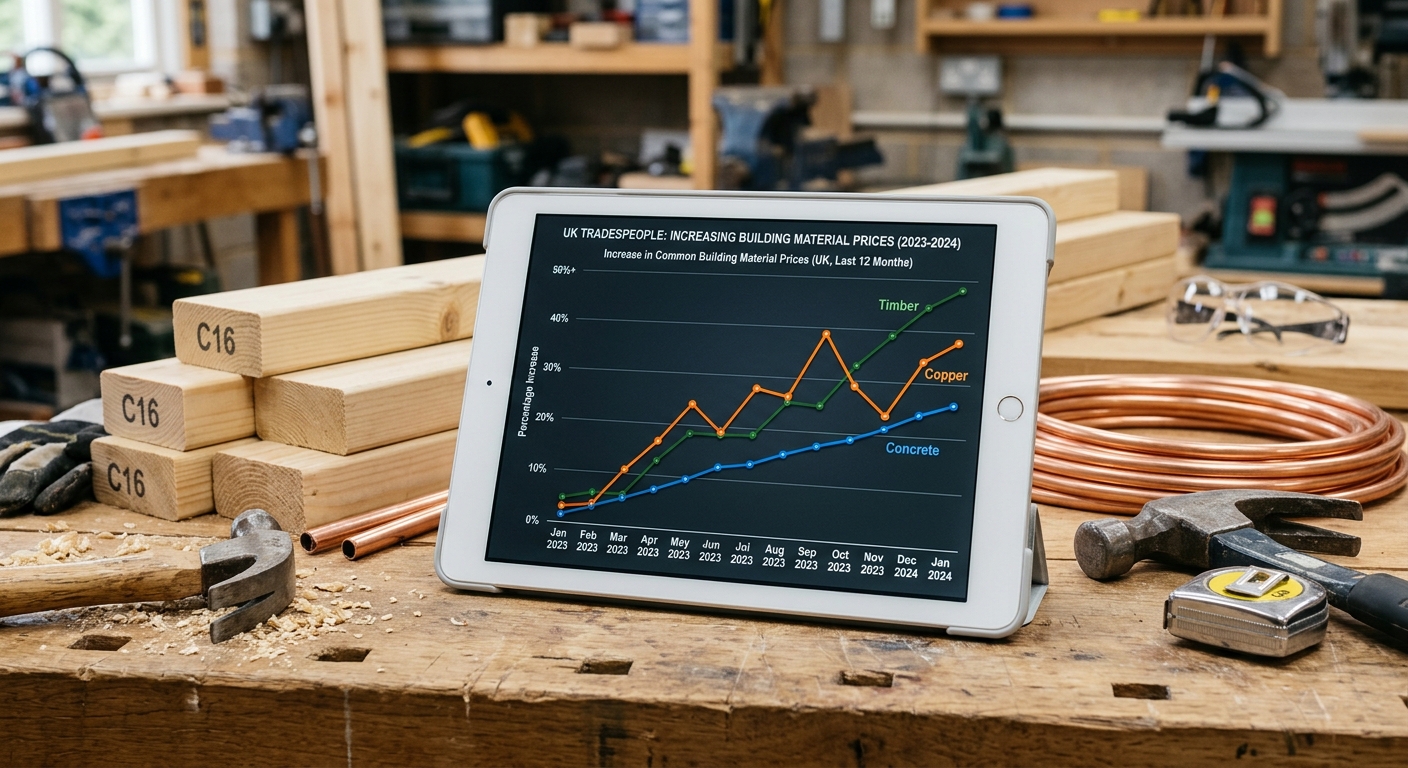
Rising material costs are a major headache for tradespeople across the UK in 2026. Inflation, supply chain issues, and increased demand are all contributing to higher prices for essential materials like timber, copper, and plaster. This guide provides practical strategies to help you manage these rising expenses, protect your profits, and maintain a competitive edge.
Understanding the Impact of Rising Material Costs on Tradespeople
The impact of rising material costs goes beyond simply paying more for supplies. It affects your pricing, profitability, cash flow, and even your ability to secure new projects. If you don't adapt your strategies, you risk squeezing your margins and losing out to competitors.
Tip:
Regularly review your supplier agreements and explore alternative suppliers to ensure you're getting the best possible prices.
Here's a breakdown of the key challenges:
* Reduced Profit Margins: Higher material costs directly eat into your profits if you don't adjust your pricing accordingly.
* Cash Flow Strain: Increased upfront costs for materials can put a strain on your cash flow, especially for larger projects.
* Pricing Challenges: Balancing the need to cover your costs with the desire to remain competitive can be difficult.
* Project Delays: Material shortages and delays can disrupt your project timelines and lead to customer dissatisfaction.

Practical Strategies for Managing Material Costs
Here are several actionable strategies you can implement to mitigate the impact of rising material costs:
- Accurate Cost Estimation:
* Develop a detailed cost estimation process that accurately accounts for current material prices. Use a reliable quote software that automatically updates prices based on supplier feeds.
* Factor in potential price fluctuations and add a contingency buffer to your estimates.
* Consider using historical data and market trends to forecast future price increases.
- Negotiate with Suppliers:
* Build strong relationships with your suppliers and negotiate for better prices, discounts, or payment terms.
* Leverage your purchasing volume to negotiate bulk discounts.
* Don't be afraid to shop around and compare prices from multiple suppliers.
- Efficient Stock Management:
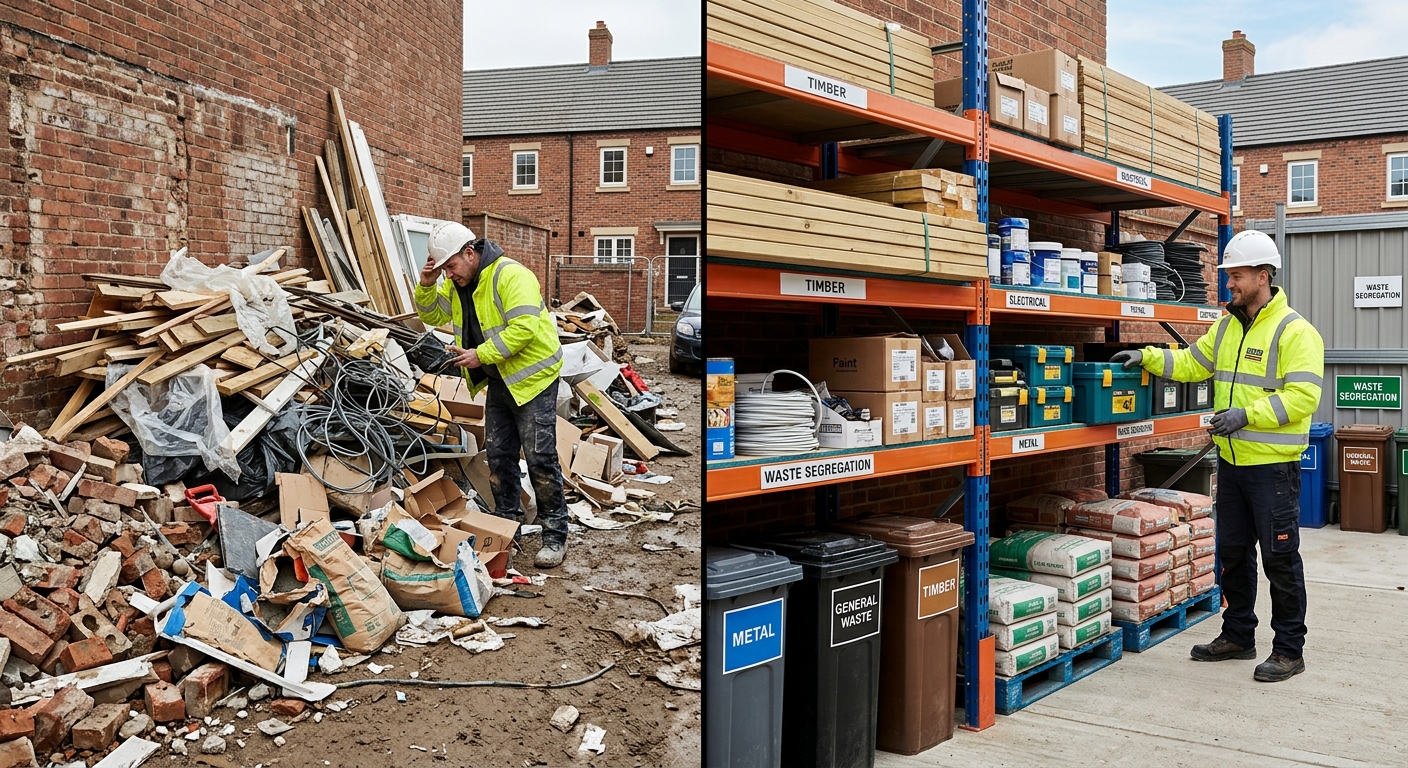
* Implement a robust stock management system to minimise waste and prevent material shortages. A good job management software can help track inventory levels.
* Optimise your storage practices to prevent damage and deterioration of materials.
* Consider using just-in-time inventory management to reduce storage costs and minimise the risk of obsolescence.
- Value Engineering:
* Explore alternative materials or construction methods that can reduce costs without compromising quality.
* Work with your clients to identify cost-saving opportunities during the design and planning phase.
* Consider using reclaimed or recycled materials where appropriate.
- Price Adjustments and Transparency:
* Be transparent with your clients about rising material costs and explain how they may affect project pricing.
* Consider including a clause in your contracts that allows for price adjustments based on material cost fluctuations.
* Offer different pricing options to cater to different budgets.
- Improve Project Efficiency:
* Streamline your project workflows to minimise labour costs and reduce project timelines. Using a scheduling app ensures optimal resource allocation.
* Invest in training and development to improve your team's skills and efficiency.
* Use technology to automate tasks and reduce manual effort.
Did you know?
A recent survey by the Federation of Master Builders found that 78% of UK tradespeople have experienced significant increases in material costs in the past year, with an average increase of 15%.
- Cash Flow Management:
* Implement a robust cash flow management system to ensure you have sufficient funds to cover material costs.
* Negotiate favourable payment terms with your clients.
* Consider using invoice financing or other short-term financing options to bridge cash flow gaps.
- Invest in Technology:
* Utilise job management software to track material costs, manage inventory, and streamline project workflows. This will give you greater visibility and control over your expenses.
* Explore software that integrates with supplier databases for real-time pricing updates.
* Consider using AI-powered tools to automate tasks such as cost estimation and invoice processing.
Communicating Price Increases to Clients
Raising your prices isn't easy, but it's essential for maintaining profitability. Here's how to communicate price increases effectively:
* Be Proactive: Inform your clients about potential price increases as early as possible.
* Be Transparent: Explain the reasons behind the price increases, citing specific examples of rising material costs.
* Offer Options: Provide different pricing options to cater to different budgets. For example, you could offer a standard package with premium materials and a more affordable package with alternative materials.
* Emphasise Value: Remind your clients of the value you provide, such as your expertise, quality workmanship, and commitment to customer satisfaction.
Conclusion
Managing rising material costs is an ongoing challenge for UK tradespeople. By implementing these strategies, you can mitigate the impact of inflation, protect your profits, and maintain a competitive edge. Stay informed about market trends, adapt your pricing strategies, and leverage technology to improve efficiency. By proactively addressing these challenges, you can ensure the long-term success of your business.
TradeFlow helps UK tradespeople manage all aspects of their business, from quoting and scheduling to invoicing and payment collection. Start your free trial today and see how TradeFlow can help you navigate the challenges of rising material costs and boost your profitability.