Tradespeople: Managing Springtime Allergies on the Job
Spring is a bustling season for UK tradespeople, filled with opportunities for growth and new projects. However, the arrival of spring also brings springtime allergies, which can significantly impact your productivity, safety, and overall well-being. Managing these allergies effectively is crucial for staying on top of your game. Ignoring them can lead to reduced performance, increased sick days, and even potential safety hazards on the job site. This article will provide practical tips and strategies to help tradespeople navigate the challenges of spring allergies and maintain a healthy and productive work environment.
Understanding Spring Allergies in the UK
Spring allergies, also known as hay fever or allergic rhinitis, are triggered by pollen released from trees, grasses, and weeds. In the UK, the pollen season typically begins in late March and can last until September. The most common culprits include tree pollen (birch, oak, and ash), grass pollen, and weed pollen (ragweed and nettle).
Did you know?
According to Allergy UK, hay fever affects an estimated 20% of the UK population, with symptoms ranging from mild to severe.
Symptoms of spring allergies can include:
* Sneezing
* Runny or blocked nose
* Itchy or watery eyes
* Coughing
* Headaches
* Fatigue
* Difficulty concentrating
For tradespeople who spend a significant amount of time outdoors, these symptoms can be particularly disruptive, affecting their ability to focus on tasks, operate machinery safely, and interact with clients professionally. That's where using job management tools like TradeFlow's scheduling app becomes even more important to stay on top of things even when you're not feeling 100%.
Practical Tips for Managing Spring Allergies on the Job
Here's a breakdown of actionable strategies tradespeople can implement to minimise the impact of spring allergies:
- Monitor the Pollen Count: Stay informed about the daily pollen count in your area using weather apps or websites. This will help you plan your day and take necessary precautions on high pollen days.
- Schedule Outdoor Tasks Strategically: If possible, schedule outdoor tasks for the late afternoon or early evening when pollen levels tend to be lower. Avoid working outdoors during peak pollen times, which are typically in the morning.
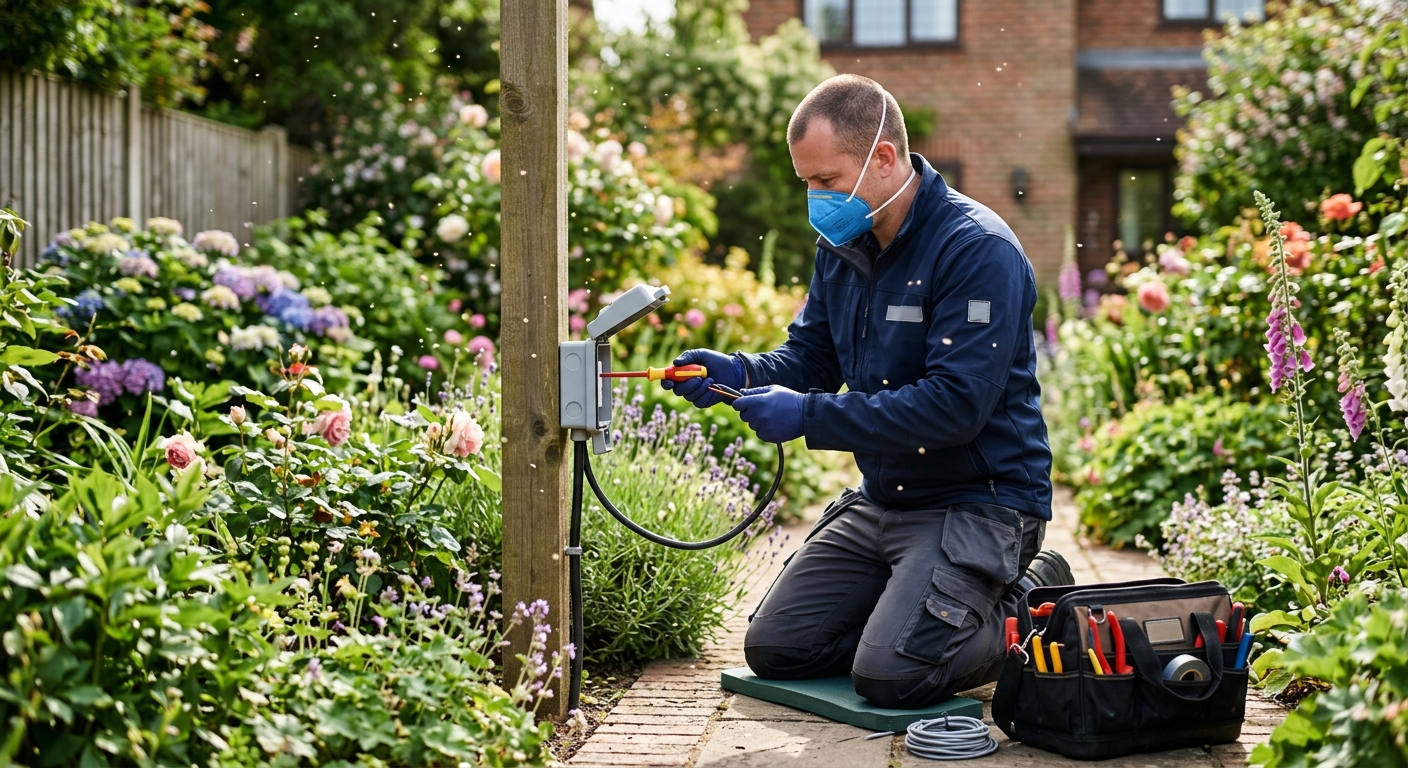
- Wear Protective Gear: When working outdoors, wear protective gear such as a mask, glasses, and gloves to minimise exposure to pollen. Consider using a mask with a high-efficiency particulate air (HEPA) filter for added protection.
- Keep Your Van Clean: Regularly clean your van to remove pollen and other allergens. Vacuum the interior, wipe down surfaces, and change the air filter frequently. This will help create a cleaner and healthier environment.
- Shower and Change Clothes After Work: After finishing work for the day, shower and change into clean clothes to remove pollen from your skin and hair. This will help prevent allergens from accumulating in your home.
- Use Air Purifiers: Consider using air purifiers with HEPA filters in your home and van to remove pollen and other allergens from the air. This can help improve your indoor air quality and reduce allergy symptoms.
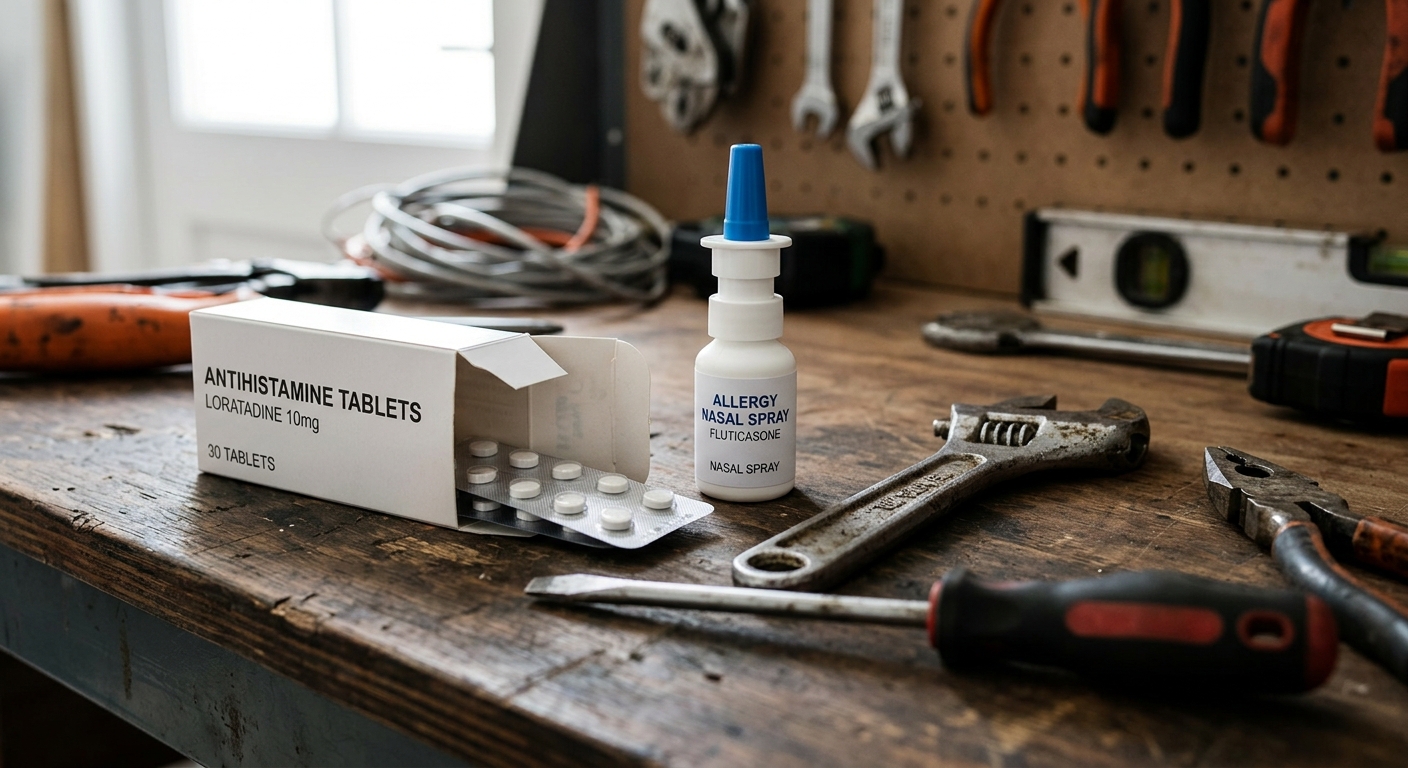
- Take Allergy Medication: Consult with your doctor or pharmacist about taking allergy medication, such as antihistamines or nasal corticosteroids. These medications can help relieve allergy symptoms and improve your overall well-being. Remember that some medications can cause drowsiness, which can be hazardous when operating machinery or driving. Choose non-drowsy options whenever possible. This can be important, especially if you have a customer you need to impress with your professional website.
Tip:
Carry allergy medication with you at all times, especially during peak pollen season. This will allow you to address allergy symptoms promptly and prevent them from escalating.
- Consider Allergy Immunotherapy (Desensitisation): For individuals with severe allergies, allergy immunotherapy (desensitisation) may be an option. This involves gradually exposing you to small amounts of the allergen over time to build up your tolerance. Talk to your doctor about whether allergy immunotherapy is right for you.
- Hydrate Regularly: Staying hydrated can help thin mucus and alleviate congestion caused by allergies. Drink plenty of water throughout the day.
- Wash Your Hands Frequently: Regularly wash your hands with soap and water, especially after working outdoors or touching surfaces that may be contaminated with pollen.
- Avoid Known Allergens: If you know what specific pollens trigger your allergies, try to avoid exposure to those allergens. For example, if you are allergic to grass pollen, avoid mowing lawns or working in grassy areas.
- Communicate with Clients: If you are experiencing allergy symptoms, communicate this to your clients. They may be understanding and able to accommodate your needs, such as rescheduling outdoor tasks or providing a less pollen-heavy environment.
- Boost Your Immune System: A strong immune system can help you better cope with allergies. Eat a healthy diet, get enough sleep, and manage stress. You can also consider taking supplements such as vitamin C and vitamin D.
- Eye Care: Itchy, watery eyes are a common allergy symptom. Use lubricating eye drops to soothe irritation. Avoid rubbing your eyes, as this can worsen the irritation and potentially lead to infection. Keep your hands clean before touching your eyes.

Creating a Healthier Work Environment
Beyond individual strategies, creating a healthier work environment can benefit all tradespeople, especially those with allergies:
* Provide Hand Sanitiser: Make hand sanitiser readily available on job sites and in vehicles.
* Encourage Regular Breaks: Encourage employees to take regular breaks to rest and rehydrate. This is crucial for managing fatigue, which can be exacerbated by allergies.
* Promote a Smoke-Free Environment: Secondhand smoke can worsen allergy symptoms. Enforce a smoke-free policy on job sites and in vehicles.
* Implement Good Ventilation Practices: Ensure adequate ventilation in indoor workspaces to minimise allergen build-up. Open windows and doors when possible, or use air conditioning with a HEPA filter.
Tip:
Consider using AI phone answering to reduce the need for face-to-face interactions, especially if you're feeling under the weather due to allergies. This can help you manage your workload while minimising exposure to allergens.
Conclusion
Managing springtime allergies is essential for UK tradespeople to maintain productivity, safety, and overall well-being. By implementing these practical tips and strategies, you can minimise the impact of allergies and continue to thrive in your profession. Remember to stay informed, take necessary precautions, and consult with your doctor or pharmacist about appropriate allergy medication. With a proactive approach, you can navigate the challenges of spring allergies and enjoy a healthy and productive season. Staying on top of admin tasks is also crucial when you're dealing with allergies. See how TradeFlow can make a difference to your business.