Tradespeople: Reducing Travel Time Between Jobs
Reducing travel time between jobs is crucial for tradespeople to maximise efficiency and boost profits. Time spent on the road is time not spent earning, and fuel costs add up quickly. This guide provides practical strategies for UK trades to streamline their schedules and minimise travel time, allowing them to complete more jobs and increase their income.
Plan Your Day Strategically to Reduce Travel Time
A well-planned schedule is the foundation of minimising travel. Don't just accept jobs as they come in; think strategically about how they fit together.
- Zone Your Work: Group jobs by geographical area. Dedicate specific days or half-days to working in particular zones. This dramatically reduces back-and-forth travel.
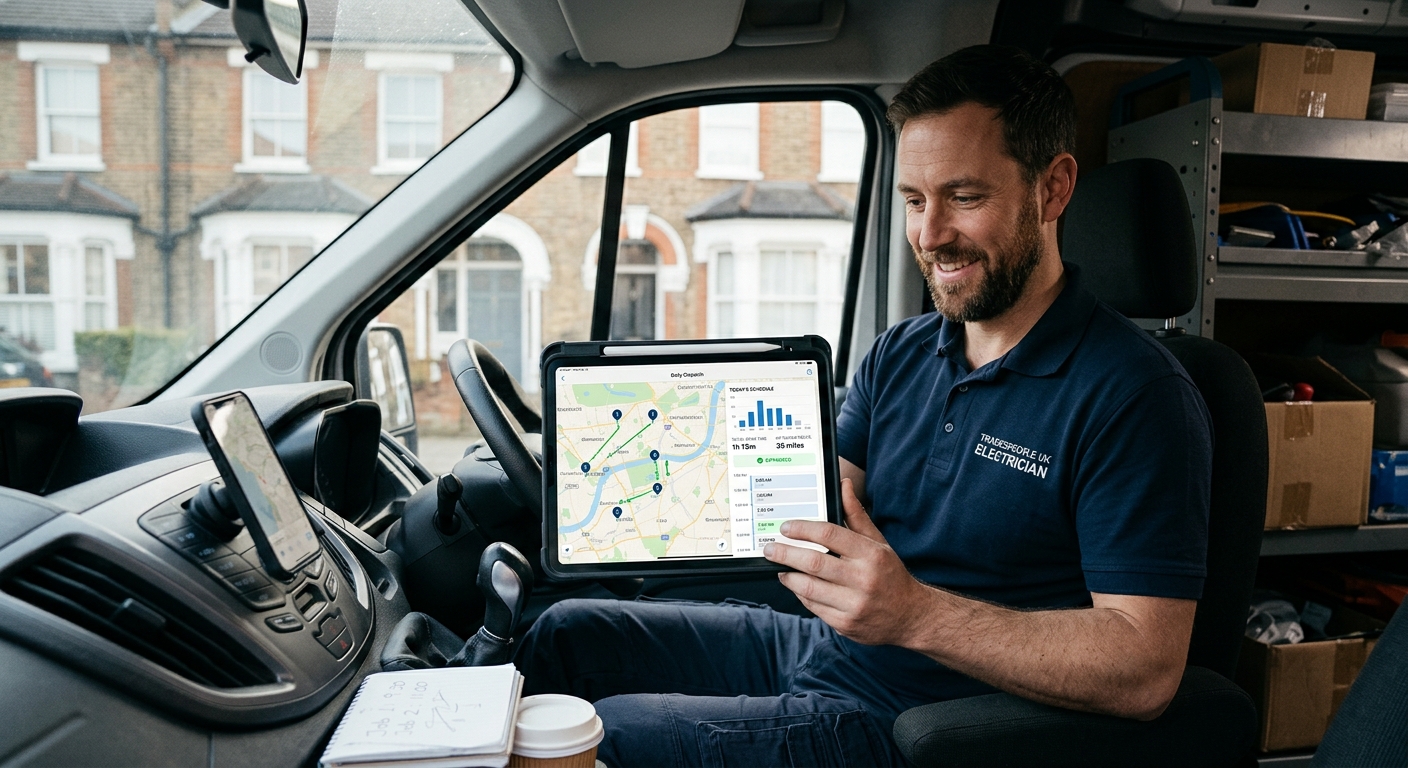
> Tip: Use a mapping tool (Google Maps, Apple Maps, or a dedicated route planning app) to visually map out your jobs. This helps identify clusters and potential routes. Consider using job management software to automatically map your jobs.
- Consider Job Duration: Schedule shorter jobs in between longer ones to avoid large gaps in your day. If a long job finishes early, you have a nearby short job ready to go.
- Factor in Travel Time Estimates: Accurately estimate travel time between jobs. Don't just rely on distance; consider traffic conditions, road closures, and parking availability. Add a buffer for unexpected delays.
> Did you know? According to a recent survey, UK tradespeople spend an average of 1.5 hours per day travelling between jobs. Reducing this by just 30 minutes can significantly increase productivity.
- Communicate with Customers: Confirm appointment times and address details with customers the day before to avoid wasted trips due to incorrect information or cancellations.
- Use Technology to Your Advantage: Implement a scheduling app. There are many great scheduling app choices on the market that are tailored to the needs of UK tradespeople that will help manage your schedule and reduce travel time.
Optimise Your Routes for Maximum Efficiency
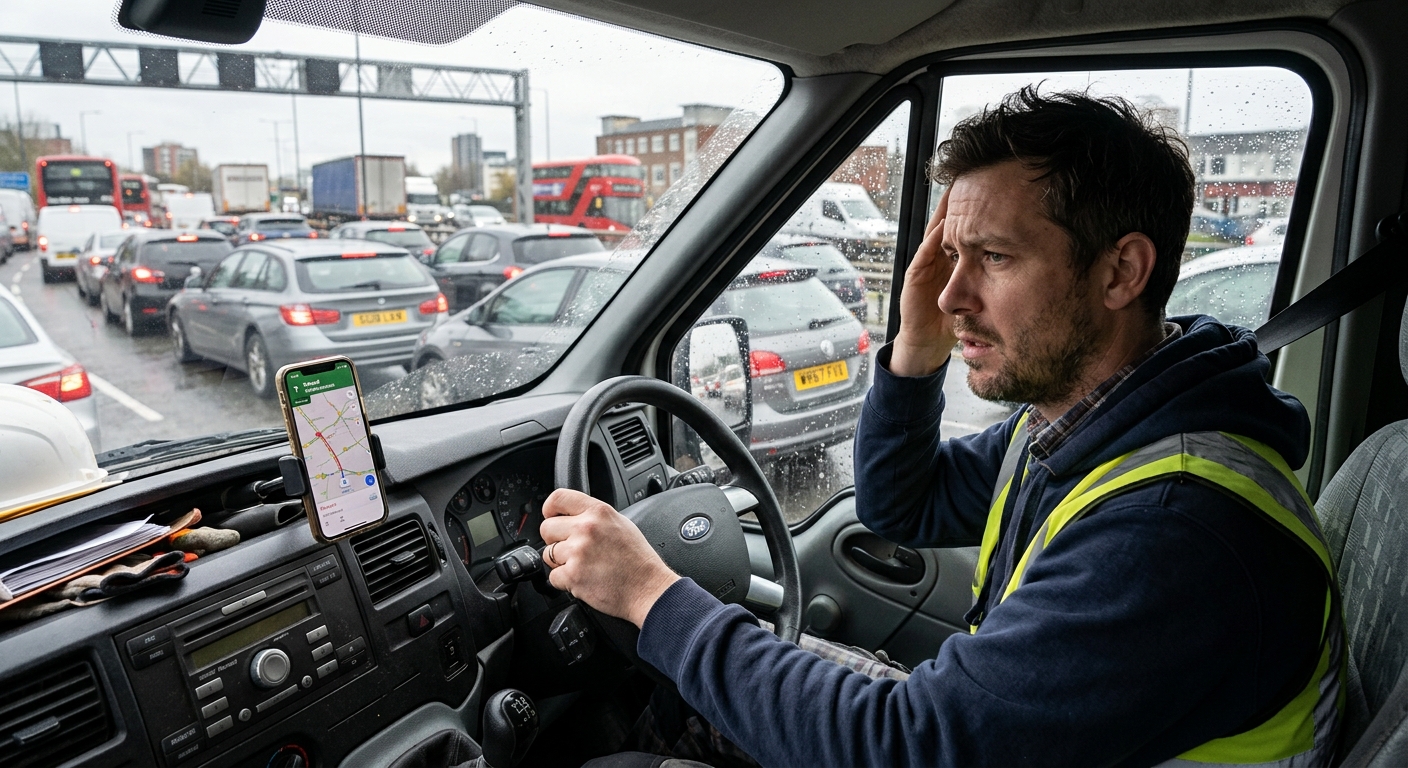
Once you have a schedule, optimise your routes to minimise mileage and travel time. Don't just take the first route that comes to mind.
- Use a Navigation App with Real-Time Traffic Updates: Apps like Google Maps, Waze, and Apple Maps provide real-time traffic updates and suggest alternative routes to avoid congestion. Use these apps to adjust your route on the fly.
- Consider Fuel Efficiency: Choose routes that minimise stop-and-go traffic, which can significantly reduce fuel efficiency. Opt for routes with consistent speeds and fewer traffic lights.
- Be Aware of Road Closures and Diversions: Check for road closures and diversions before starting your journey. Plan alternative routes in advance to avoid unexpected delays.
- Consider Parking Availability: Research parking options near your job sites in advance. Look for free or low-cost parking to save money and time. Consider using apps that allow you to pre-book parking spaces.
Improve On-Site Efficiency to Reduce Overall Time
Reducing the time spent on each job also contributes to overall efficiency and allows you to fit more jobs into your day, effectively reducing the need to travel as much.
- Prepare Materials in Advance: Gather all necessary materials and tools before leaving for a job. This avoids unnecessary trips back to the depot or supplier.
- Communicate Clearly with Customers: Ensure you fully understand the scope of the job before starting. This minimises misunderstandings and prevents delays caused by needing to revisit the customer.
- Use Efficient Tools and Techniques: Invest in high-quality tools and equipment that allow you to complete jobs quickly and efficiently. Stay up-to-date with the latest industry techniques.
- Minimise Distractions: Avoid unnecessary phone calls and social media use while on the job. Focus on completing the task at hand.
Tip:
Consider using a AI phone answering service to handle incoming calls while you're on the job. This prevents interruptions and ensures you don't miss important inquiries.
Leverage Technology for Smarter Job Management
Technology can play a significant role in optimising your schedule and reducing travel time. This can include using a digital quote software to quickly handle quotes and invoices, allowing you to better plan your schedule. Here's how:
- Implement Job Management Software: Job management software helps streamline your entire workflow, from scheduling and dispatch to invoicing and payment processing. This can significantly reduce administrative tasks and free up more time for actual work.
- Use GPS Tracking: GPS tracking allows you to monitor the location of your vehicles and employees in real-time. This can help optimise routes, identify delays, and improve overall efficiency.
- Automate Invoicing and Payments: Automating invoicing and payment processing reduces administrative tasks and allows you to focus on more important aspects of your business.
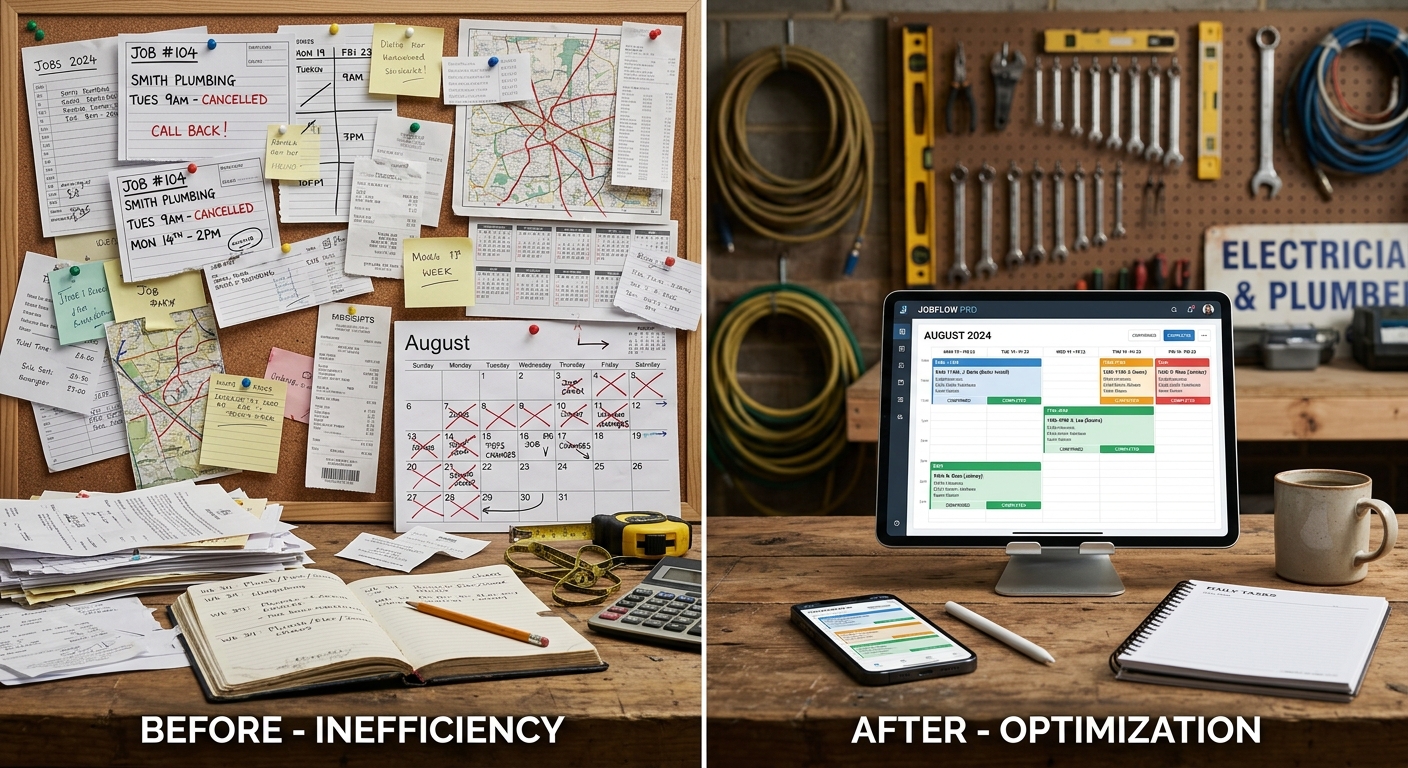
By implementing these strategies, UK tradespeople can significantly reduce travel time between jobs, improve efficiency, and increase their earning potential. Time is a valuable asset, and optimising your schedule is a key to success in the trades industry. Investing in efficient planning, route optimisation, and the right technology will pay dividends in the long run.
TradeFlow helps you manage your schedule, track job progress, and optimise routes, all in one place. Try TradeFlow today and start saving time and money. Learn more at our professional website.