Tradespeople: Tackling Damp and Mould Issues
Damp and mould are common problems in UK homes, especially during and after the winter months. As tradespeople, you're often the first port of call when homeowners spot these unwelcome guests. Understanding how to effectively diagnose, treat, and prevent damp and mould can not only boost your spring workload but also establish you as a trusted expert. Let's dive into the essential knowledge and practical tips you need to tackle these issues head-on.
Diagnosing Damp and Mould for UK Homes
Before you reach for the bleach or start ripping out plaster, it's crucial to identify the type and source of the damp. Different types of damp require different solutions.
Here's a breakdown:
* Condensation: This is the most common type, caused by warm, moist air coming into contact with cold surfaces. Look for it in bathrooms, kitchens, and behind furniture.
* Penetrating Damp: This occurs when water enters a building through external walls, roofs, or windows due to structural defects like cracks, leaks, or damaged pointing.
* Rising Damp: This happens when groundwater rises up through the walls of a building via capillary action. It's usually identified by a tide mark on the walls and crumbling plaster near the base of the wall.
Tip:
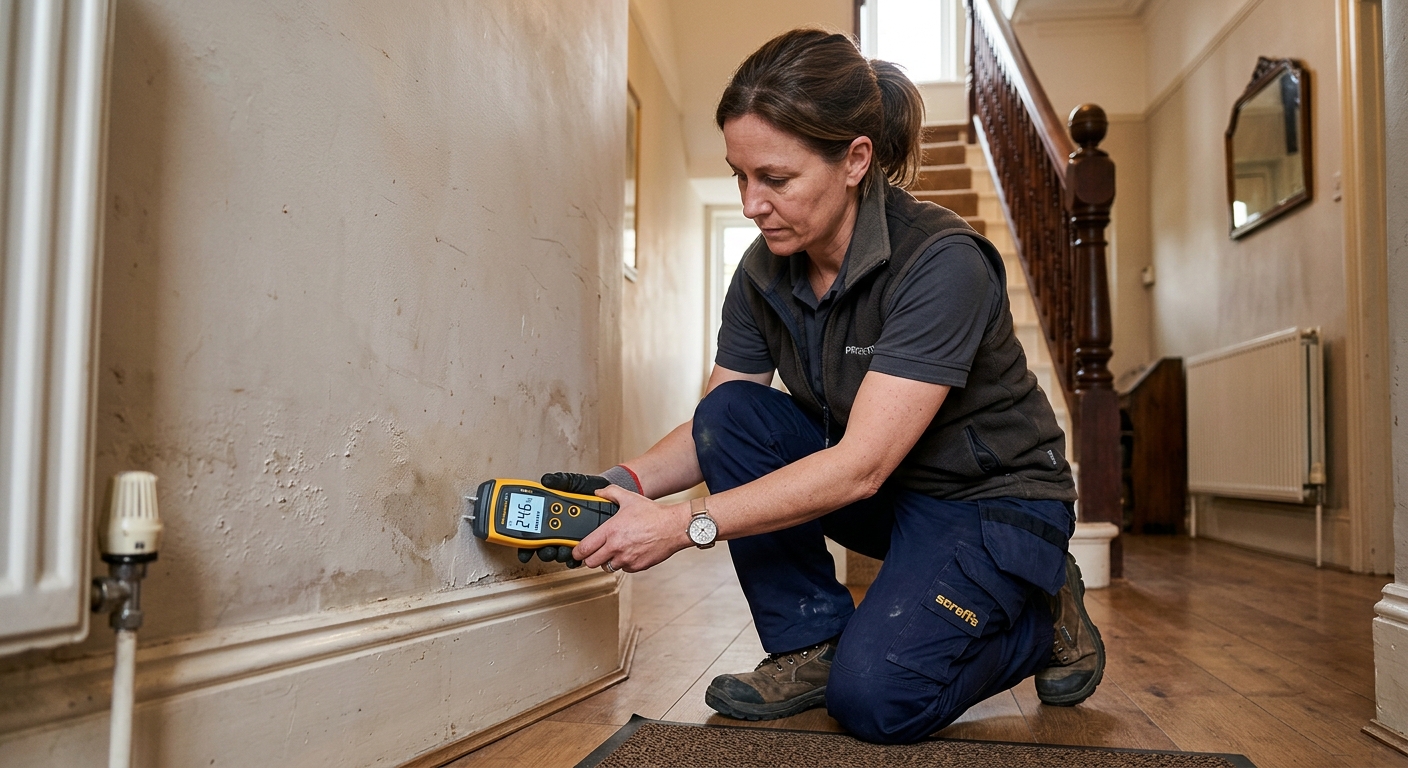
A damp meter is an invaluable tool for accurately measuring moisture levels in walls. This helps differentiate between condensation and penetrating damp and provides evidence for insurance claims.
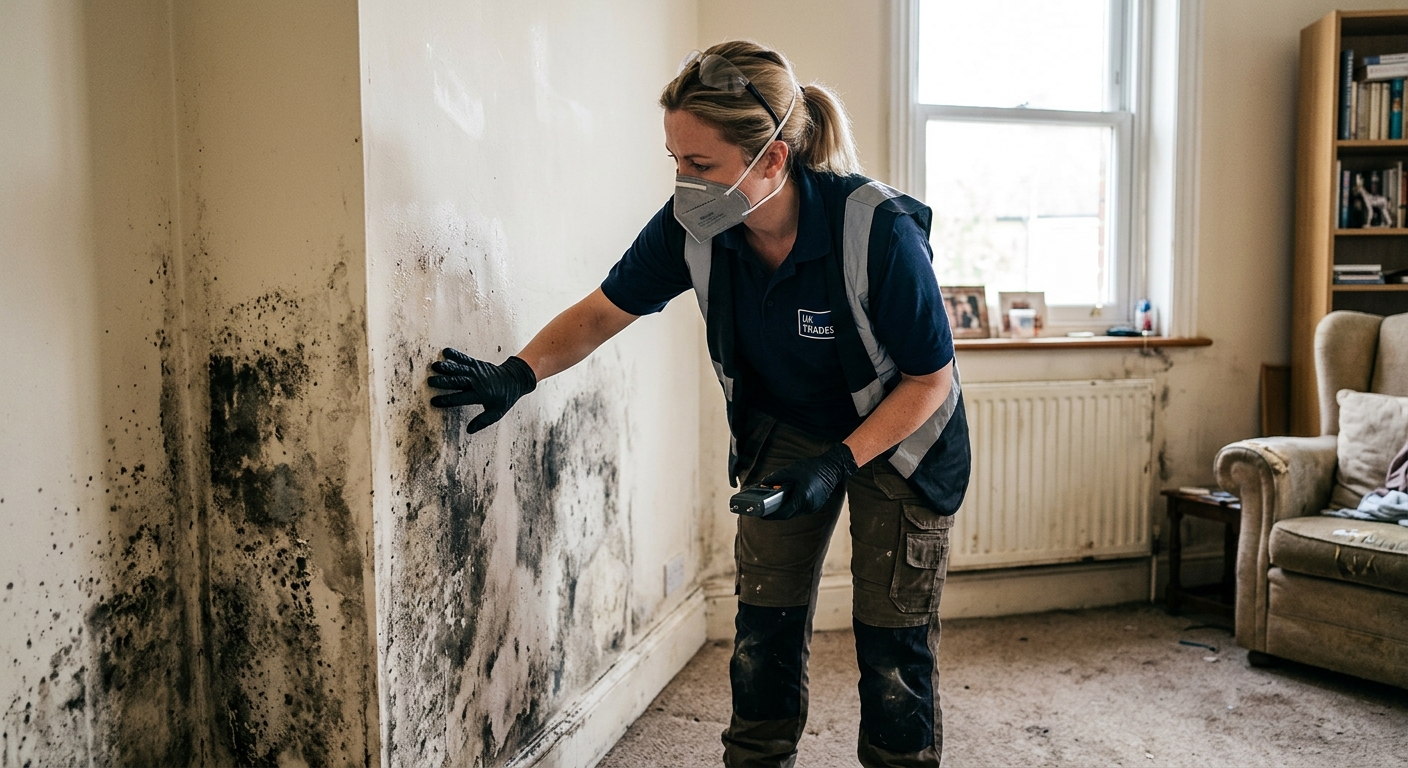
To accurately diagnose the source, ask the homeowner about:
* Any recent leaks or plumbing issues.
* Changes in ventilation habits.
* Any recent building work or alterations.
A thorough visual inspection, combined with moisture readings, will help you pinpoint the problem.
Treating Existing Damp and Mould
Once you've identified the type of damp, you can choose the appropriate treatment. Remember to always wear appropriate personal protective equipment (PPE) when dealing with mould.
Treating Condensation:
- Improve Ventilation: Install extractor fans in bathrooms and kitchens. Encourage homeowners to open windows regularly, especially after showering or cooking.
- Reduce Humidity: Advise on using dehumidifiers in damp-prone areas. Ensure tumble dryers are properly vented to the outside.
- Insulation: Improve insulation in walls and ceilings to reduce cold surfaces. Consider internal wall insulation for particularly cold walls.
- Anti-Condensation Paint: Apply anti-condensation paint to affected surfaces. This paint contains additives that inhibit mould growth.
Treating Penetrating Damp:
- Identify and Repair the Source: This is the most crucial step. Locate the leak or structural defect and repair it properly. This might involve repairing roofing, repointing brickwork, or sealing windows.
- Dry Out the Affected Area: Use dehumidifiers and fans to dry out the affected area thoroughly. This may take several days or even weeks.
- Treat Mould Growth: Once the area is dry, treat any mould growth with a fungicidal wash.
- Re-plaster and Decorate: Re-plaster the affected area and decorate with mould-resistant paint.
Treating Rising Damp:
- Install a Damp-Proof Course (DPC): This is the most effective long-term solution. A DPC is a barrier that prevents moisture from rising up through the walls. This is a specialist job and should be carried out by qualified professionals.
- Improve Drainage: Ensure that the ground around the property slopes away from the walls to prevent water from pooling.
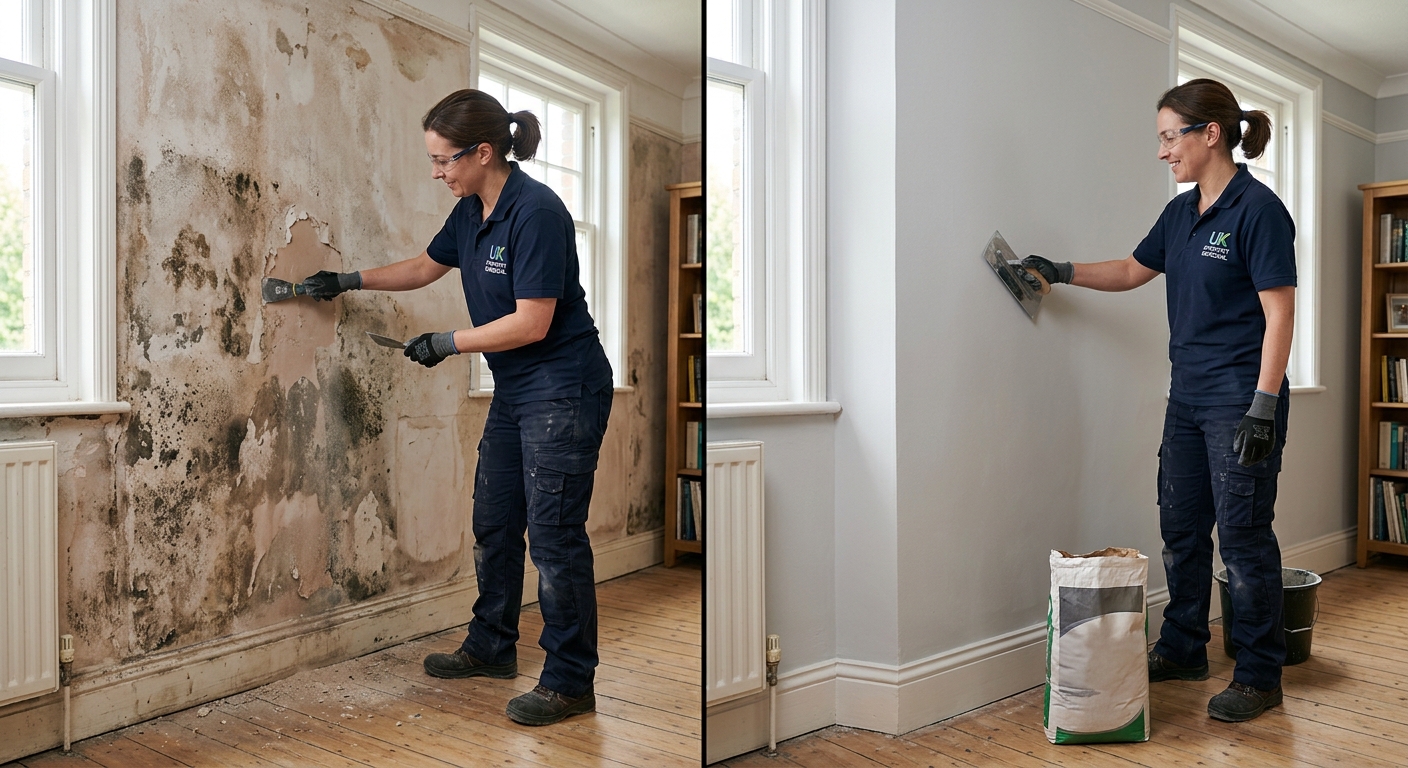
- Remove Affected Plaster: Remove all plaster affected by rising damp. This is usually up to a metre high.
- Apply a Salt Inhibitor: Apply a salt inhibitor to the brickwork to prevent salts from rising to the surface and causing further damage.
- Re-plaster with a Specialist Plaster: Re-plaster with a specialist plaster that allows the wall to breathe.
Did you know?
Untreated damp can lead to serious health problems, including respiratory infections, asthma, and allergies. It can also damage the structure of a building, leading to costly repairs.
Preventing Future Damp and Mould Problems
Prevention is always better than cure. Here are some tips you can share with your clients to help them prevent future damp and mould problems:
* Ventilate Regularly: Encourage homeowners to open windows regularly, especially after showering, cooking, or drying clothes indoors.
* Maintain Good Airflow: Ensure furniture is positioned away from walls to allow for good airflow.
* Control Humidity: Use dehumidifiers in damp-prone areas and ensure tumble dryers are properly vented.
* Repair Leaks Promptly: Fix any leaks or plumbing issues immediately.
* Maintain Gutters and Downpipes: Keep gutters and downpipes clear of debris to prevent water from overflowing and running down walls.
* Consider professional website creation to educate clients on how to prevent these problems
Streamlining Your Business with Job Management Software
Tackling damp and mould jobs requires efficient scheduling, clear communication, and accurate invoicing. Using job management software like TradeFlow can significantly streamline your business operations, allowing you to manage jobs effectively, track materials, and generate professional quotes and invoices. With features like integrated invoicing app, you can ensure prompt payment and maintain healthy cash flow, even during busy periods. Consider implementing TradeFlow to improve your efficiency and profitability.
By providing expert damp and mould solutions, you can build a solid reputation and grow your business. Remember to stay up-to-date with the latest industry standards and best practices to ensure you're offering the best possible service to your clients. Don't underestimate the importance of customer service – a friendly, professional approach will go a long way in securing repeat business and positive referrals. TradeFlow's features can help you provide the best service possible.