Tradespeople: UK Spring Tax Return Tips 2026
Spring brings more than just warmer weather; it also marks the approach of tax season for UK tradespeople. Preparing your tax return doesn't have to be a headache. This guide offers practical tips to help you navigate the process smoothly, ensuring you maximise your deductions and stay compliant with HMRC regulations.
Understanding Your Tax Obligations as a Tradesperson
As a self-employed tradesperson in the UK, you're responsible for paying income tax and National Insurance contributions on your profits. Understanding what income to declare and what expenses you can claim is crucial for accurate tax reporting.
Did you know?
HMRC provides online resources and webinars specifically tailored to self-employed individuals. Utilise these resources to stay informed about tax regulations and updates.
Step-by-Step Guide to Preparing Your Tax Return
Here's a step-by-step guide to help you prepare your tax return:
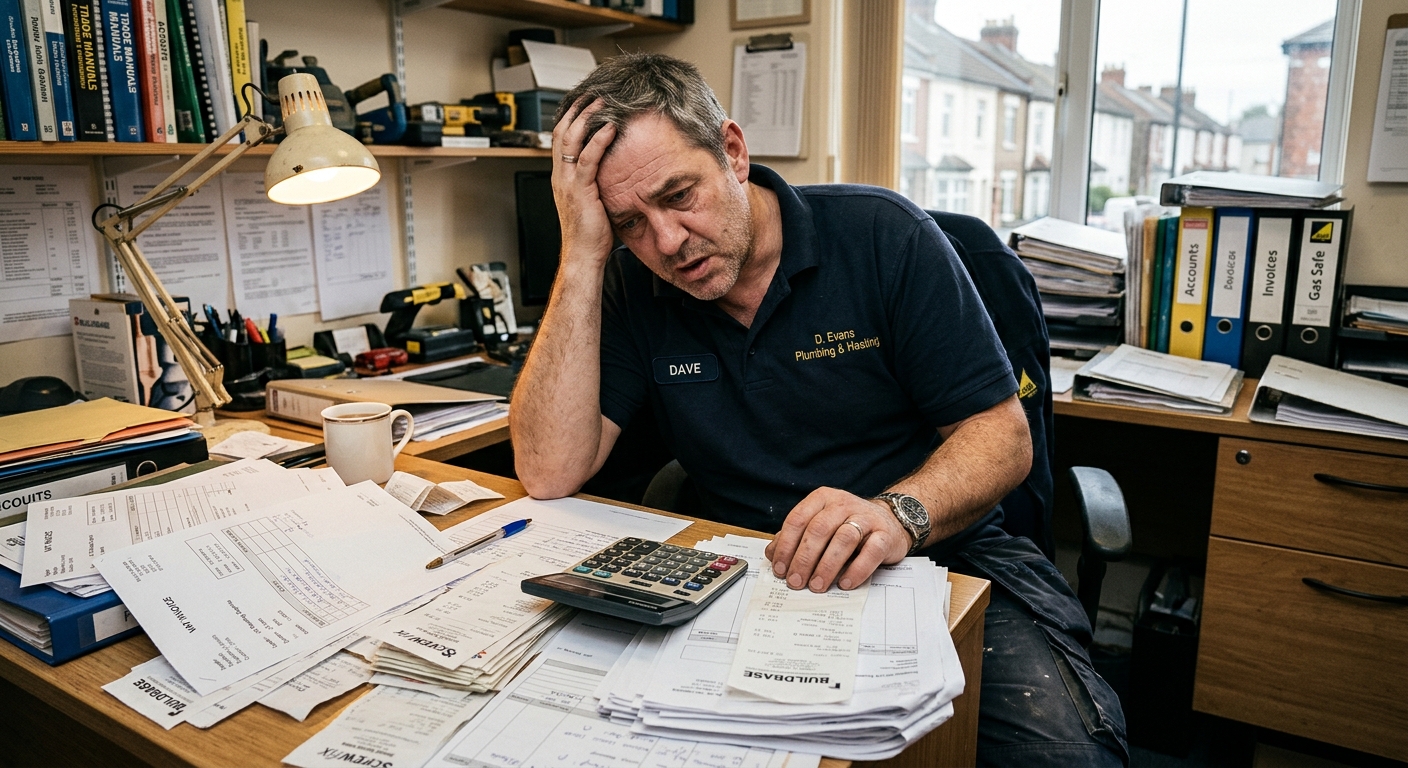
- Gather Your Financial Records: This includes invoices, receipts for expenses, bank statements, and any other documentation related to your income and expenditure. Organising these documents early on will save you time and stress later.
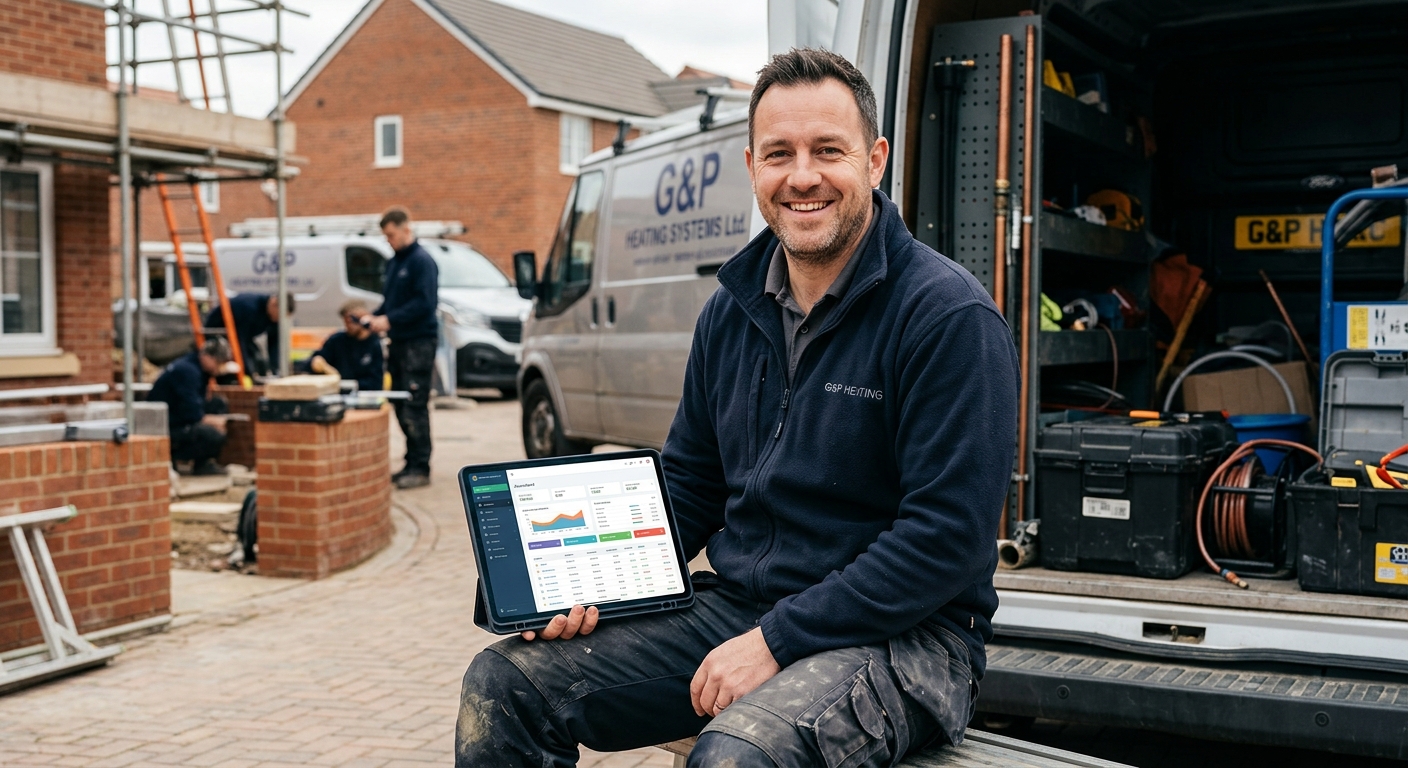
- Track Your Income and Expenses: Use a job management software like TradeFlow, a spreadsheet, or accounting software to meticulously record all income received and expenses incurred throughout the tax year. Categorise your expenses for easy identification of deductible items. This also helps with overall financial management.
- Identify Allowable Expenses: Familiarise yourself with the expenses you can claim as a deduction. Common examples include:
* Materials and supplies
* Vehicle expenses (fuel, insurance, repairs)
* Office expenses (stationery, phone bills)
* Tools and equipment
* Insurance premiums
* Training courses
* Clothing (uniforms, protective gear)
* Accountancy fees
- Calculate Your Profit: Deduct your total allowable expenses from your total income to calculate your profit. This is the amount on which you'll pay income tax and National Insurance.
- Complete Your Self Assessment Tax Return: You can file your tax return online through the HMRC website. Ensure you have your Unique Taxpayer Reference (UTR) number handy. You can also appoint an accountant to handle this for you.
- Submit Your Tax Return by the Deadline: The deadline for online submission is typically 31st January following the end of the tax year (5th April). Failure to submit on time can result in penalties.
Maximising Deductions: Tips for Tradespeople
Here are some tips to help you maximise your deductions:
* Claim for Use of Home as Office: If you work from home, you can claim a portion of your household expenses as a deduction. This includes things like rent, mortgage interest, utility bills, and council tax. The amount you can claim depends on the proportion of your home that you use for business purposes.
* Capital Allowances: You can claim capital allowances on the cost of assets you use in your business, such as tools, equipment, and vehicles. These allowances allow you to deduct a portion of the cost of the asset each year over its useful life.
* Mileage Allowance: If you use your own vehicle for business purposes, you can claim a mileage allowance for the business miles you travel. Keep accurate records of your mileage to support your claim.
* Don't Forget Small Expenses: Small expenses can add up over time. Keep track of all your business-related expenses, no matter how small, and claim them on your tax return.
Tip:
Keep all receipts for at least 6 years, even if you think they are not relevant. HMRC can request evidence of your expenses at any time.
Avoiding Common Tax Mistakes
Avoid these common tax mistakes to ensure accurate reporting and avoid penalties:
* Missing the Deadline: Failing to submit your tax return on time can result in penalties. Mark the deadline in your calendar and start preparing your tax return well in advance.
* Claiming Non-Allowable Expenses: Only claim expenses that are wholly and exclusively for business purposes. Claiming personal expenses as business expenses can result in penalties.
* Inaccurate Record Keeping: Maintain accurate and up-to-date financial records. This will make it easier to prepare your tax return and provide evidence to HMRC if required.
* Not Declaring All Income: Ensure you declare all income received, including cash payments and payments received through online platforms. Hiding income from HMRC is illegal and can result in serious consequences.
The Importance of Good Record Keeping
Maintaining accurate and organised financial records is essential for successful tax management. Good record keeping not only simplifies the tax return process but also provides valuable insights into your business's financial performance. Consider using a dedicated invoicing app or accounting software to streamline your record-keeping processes. Good record keeping also ensures you can generate professional quotes using quote software for potential clients.
Using Technology to Simplify Tax Preparation
Technology can significantly simplify tax preparation for tradespeople. Here are some ways to leverage technology:
* Accounting Software: Use accounting software to track your income and expenses, generate financial reports, and prepare your tax return. Many accounting software packages are specifically designed for self-employed individuals.
* Mobile Apps: Use mobile apps to scan and store receipts, track mileage, and manage your finances on the go.
* Online Tax Return Services: Consider using an online tax return service to help you complete your tax return accurately and efficiently.
Key Dates for UK Tradespeople Tax Returns
Here are the key dates to remember for UK tax returns:
* 5th April: End of the tax year.
* 5th October: Deadline to register for self-assessment if you're newly self-employed.
* 31st January: Deadline for online self-assessment tax return.
Preparing your tax return as a UK tradesperson doesn't have to be a daunting task. By following these tips, staying organised, and leveraging technology, you can navigate the tax system with confidence, maximise your deductions, and avoid costly mistakes. Remember to seek professional advice if you're unsure about any aspect of the tax return process.
TradeFlow helps tradespeople streamline their business operations, including financial management. Find out how our software can help you stay organised and save time on tax preparation: job management software.