Tradespeople: Prepare for Autumn Energy Bill Inquiries 2026
As August draws to a close and the UK braces for cooler temperatures, tradespeople across the country should prepare for a predictable surge: autumn energy bill inquiries. With ongoing energy price volatility and the general increase in heating usage, homeowners will be increasingly conscious of their energy consumption and the associated costs. This presents a significant opportunity for plumbers, electricians, builders, roofers, and insulation specialists to not only offer essential services but also to position themselves as trusted advisors in helping customers reduce their energy bills and improve home efficiency.
Understanding the homeowner's mindset is crucial. They're not just looking for a repair; they're looking for solutions to a recurring problem – the expense of keeping their homes warm. By anticipating these concerns and being ready with informed advice and relevant services, you can turn a simple inquiry into a valuable, long-term customer relationship. This article will guide you through preparing for, handling, and capitalising on the autumn energy bill inquiry rush in 2026.
Why Autumn Brings a Spike in Energy Bill Concerns for UK Homeowners
Several factors converge in autumn to make energy bills a top concern for UK residents. Firstly, the gradual drop in temperature means heating systems are switched on more frequently, leading to an immediate increase in gas and electricity usage. Secondly, many households will have just received their summer energy statements, which might seem low compared to winter, but the looming colder months often trigger anxiety about future costs.
Did you know?
According to recent reports, a significant portion of UK homes still lack adequate insulation, and many boilers are over 10 years old, meaning they are far less efficient than modern alternatives. This creates a massive market for energy-saving upgrades.
Furthermore, government initiatives and media attention around energy efficiency and the cost of living crisis keep the topic front of mind. Homeowners are increasingly aware of options like heat pumps, solar panels, and smart thermostats, even if they don't fully understand their benefits or installation processes. This awareness translates into questions for local tradespeople.
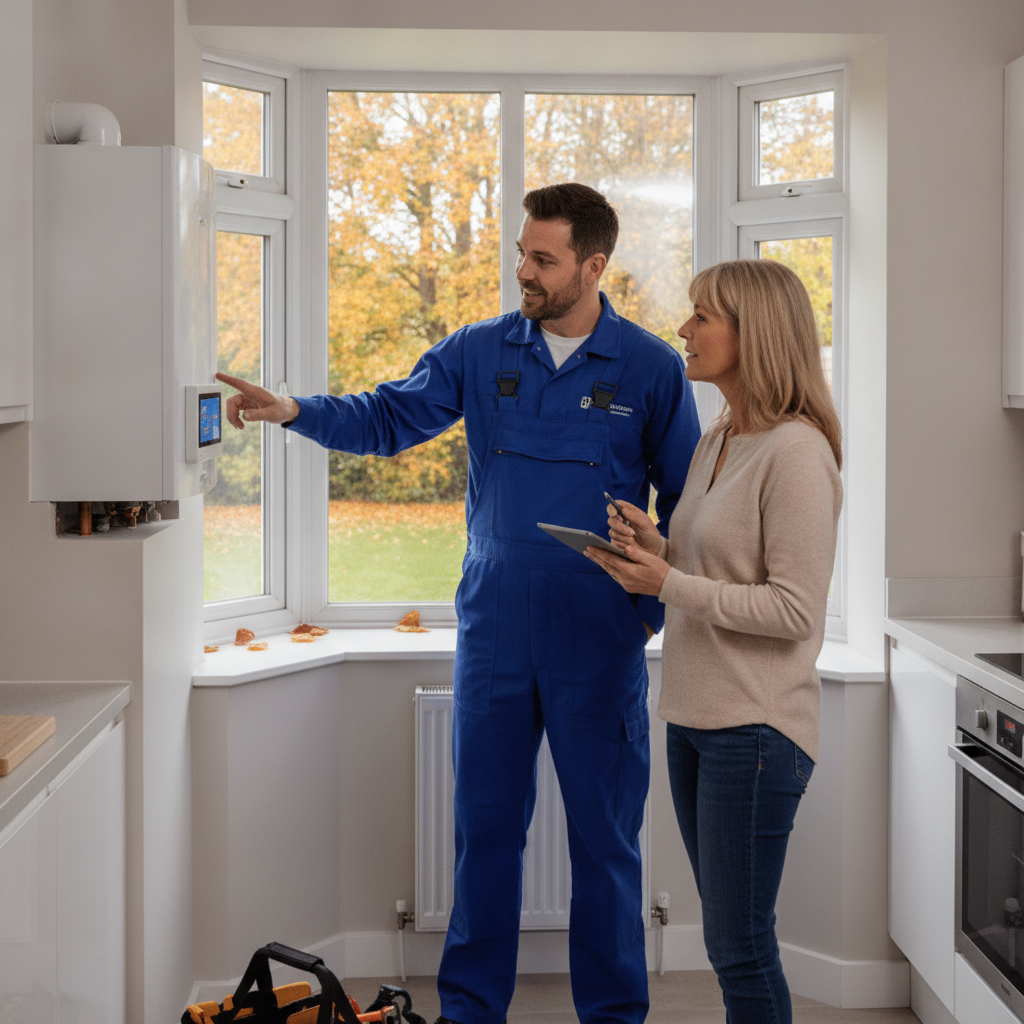
Common Energy Efficiency Questions UK Tradespeople Will Face
Being prepared for the types of questions you'll receive is half the battle. Here are some common inquiries you can expect from customers concerned about their autumn energy bills:
* "My heating bills are really high; what can I do?"
* "Is my boiler efficient? Should I get a new one?"
* "How much does it cost to insulate my loft/walls? Is it worth it?"
* "Can a smart thermostat really save me money?"
* "I'm thinking about solar panels/heat pump; what's involved?"
* "Do you check for draughts? My house always feels cold."
* "What's the best way to maintain my heating system for efficiency?"
By having clear, concise answers and being ready to offer relevant services, you'll build trust and position yourself as the go-to expert.
Strategies for Tradespeople to Maximise Autumn Energy Bill Inquiries
Capitalising on this seasonal trend requires a proactive approach. Here’s how UK tradespeople can prepare and convert inquiries into profitable work:
1. Upskill and Stay Informed on Energy-Saving Solutions
Ensure you and your team are knowledgeable about the latest energy-efficient products and techniques. This includes:
* Boiler Efficiency: Understanding SEER ratings, boiler servicing benefits, and modern condensing boilers.
* Insulation: Loft, cavity wall, external wall insulation – knowing the benefits, costs, and typical savings.
* Smart Home Tech: Familiarity with smart thermostats (e.g., Hive, Nest), smart lighting, and their integration.
* Renewables: Basic understanding of air source heat pumps, ground source heat pumps, and solar PV, even if you don't install them directly, so you can advise or refer.
Tip:
Consider taking short courses or attending manufacturer webinars on new energy-efficient technologies. Being able to explain the payback period for an investment is a powerful sales tool.
2. Proactive Marketing with an Energy Efficiency Focus
Shift your marketing message to address autumn energy bill concerns directly. Highlight services that save customers money:
* Website Content: Create blog posts like "5 Ways to Reduce Your Heating Bill This Autumn" or "Is Your Boiler Ready for Winter?" on your professional website.
* Social Media: Share tips on draught-proofing, thermostat usage, and the benefits of regular servicing. Use relevant hashtags like #EnergySavingUK #AutumnTips #CostOfLivingCrisis.
* Leaflets/Flyers: Distribute targeted promotions for boiler servicing, insulation checks, or energy audits in local areas.
* Google My Business: Optimise your listing with services like "Energy Efficiency Surveys," "Boiler Upgrades," and "Insulation Installation."
3. Streamline Your Quoting and Job Management Process
When customers are looking to save money, they want quick, clear answers. Having efficient systems in place is critical:
* Rapid Quoting: Use modern quote software to generate professional, detailed quotes for energy-saving upgrades quickly. Include a clear breakdown of costs and estimated savings where possible.
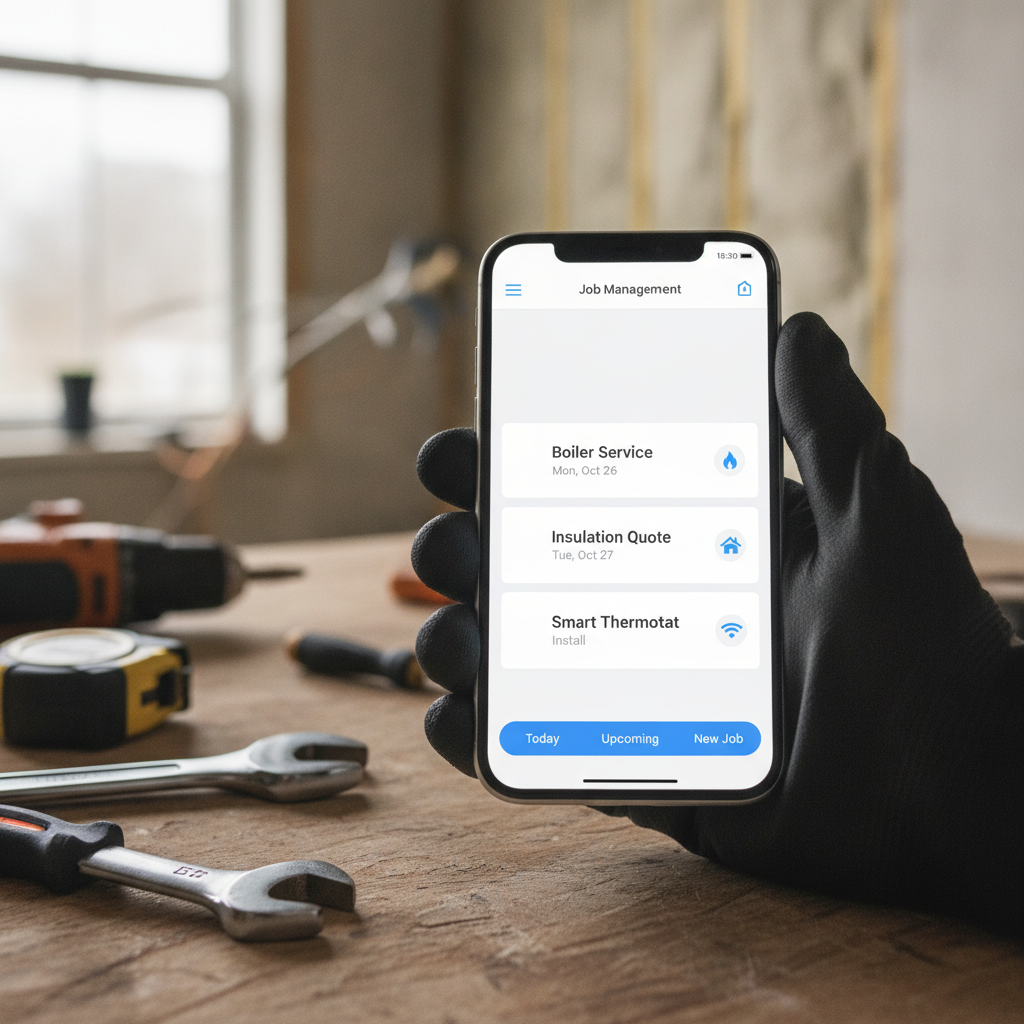
* Efficient Scheduling: An effective scheduling app allows you to book assessments and jobs promptly, especially important as demand increases. This demonstrates professionalism and responsiveness.
* Customer Communication: Keep customers informed every step of the way, from initial inquiry to job completion. A good job management software can help automate communications and track customer interactions.
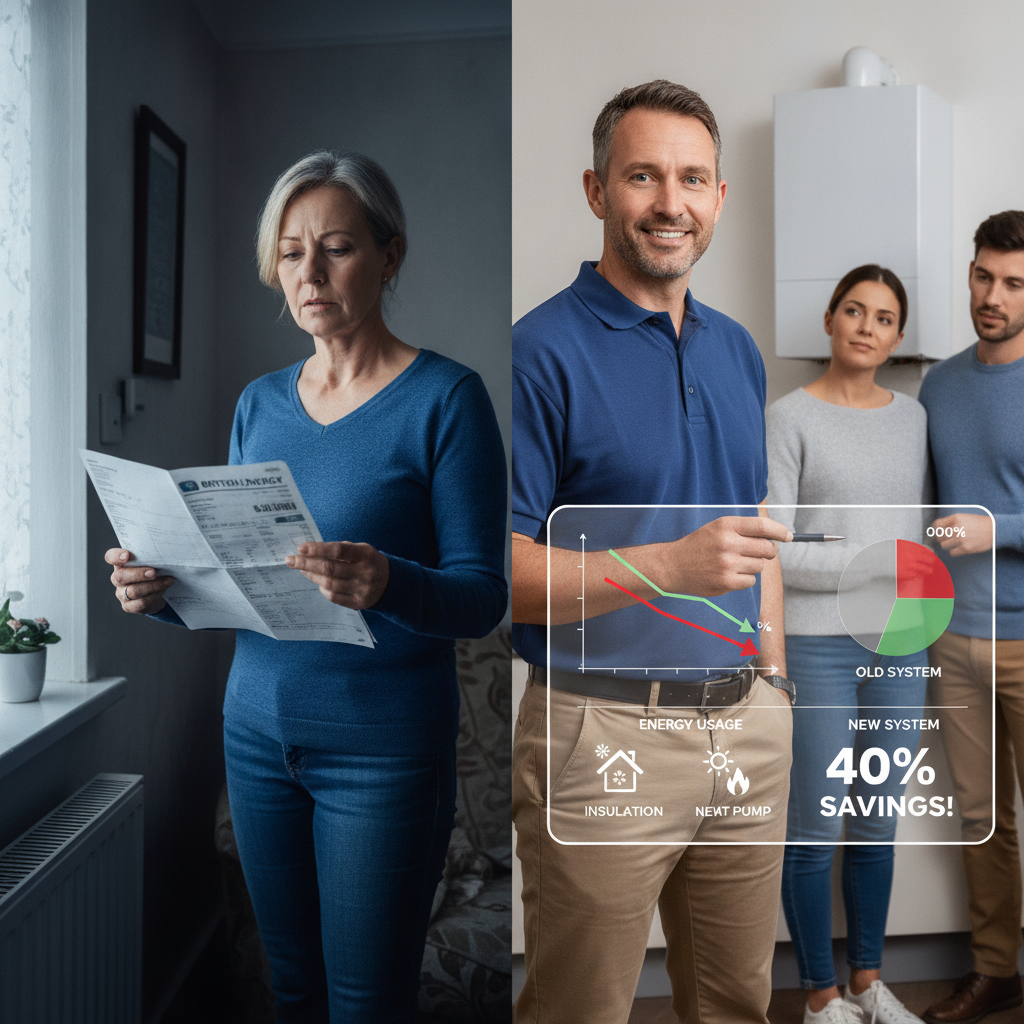
4. Offer Energy Audit or Assessment Services
Consider offering a low-cost or even free initial energy assessment. This can be a powerful lead generator. During the assessment, you can:
* Check for obvious draughts.
* Assess boiler age and efficiency.
* Inspect insulation levels in the loft and walls.
* Advise on smart thermostat benefits.
* Provide a written report with actionable recommendations and a clear quote for the suggested work.
This not only provides value to the customer but also gives you a direct opportunity to pitch your services tailored to their specific needs.
5. Collaborate with Other Trades
Energy efficiency often requires a multi-trade approach. If you're a plumber, consider partnering with an insulation specialist or an electrician for smart home installations. This allows you to offer a more comprehensive solution to the customer and potentially refer work to each other. For example, a gas engineer servicing a boiler might recommend cavity wall insulation, which could be a lead for a builder.
6. Emphasise Long-Term Savings and Comfort
When discussing solutions, always frame them in terms of long-term benefits. Homeowners are often focused on the upfront cost. Help them understand the return on investment (ROI) through reduced energy bills and increased home comfort.
For example:
* "While a new boiler is an investment, it could reduce your annual heating costs by X%, paying for itself within Y years, and providing more reliable warmth."
* "Upgrading your loft insulation from X to Y thickness can prevent Z% of heat loss through the roof, making your home feel warmer and saving you significant money over the winter."
Practical Examples for Specific Trades
Plumbers & Gas Engineers:
* Boiler Servicing & Upgrades: Promote annual servicing to maintain efficiency and advise on replacing old, inefficient boilers with A-rated condensing models. Discuss smart thermostat integration during servicing.
* Radiator Efficiency: Offer power flushing services to improve radiator efficiency and advise on thermostatic radiator valves (TRVs).
* Hot Water Systems: Discuss insulation for hot water tanks and pipes.
Electricians:
* Smart Home Installations: Install smart thermostats, smart lighting, and energy monitoring systems.
* LED Lighting Upgrades: Advise on replacing old incandescent or halogen bulbs with energy-efficient LEDs.
* Solar PV Maintenance/Installation: Offer maintenance for existing systems or partner with installers for new installations.
Builders & Roofers:
* Insulation: Specialise in loft, cavity wall, and external wall insulation. This is a huge area for energy savings.
* Draught Proofing: Offer services to seal gaps around windows, doors, and floorboards.
* Window & Door Upgrades: Advise on double or triple glazing and energy-efficient doors.
Landscapers & Gardeners (Indirect):
* Strategic Planting: Advise on planting evergreen trees/shrubs to act as windbreaks, reducing heat loss from properties.
Conclusion: Turn Inquiries into Opportunities
The autumn energy bill inquiry rush of 2026 isn't just a seasonal challenge; it's a golden opportunity for UK tradespeople to demonstrate their expertise, build customer loyalty, and secure valuable work. By proactively preparing your knowledge, marketing, and operational efficiency, you can position your business as the essential solution for homeowners looking to save money and stay warm. Focus on clear communication, valuable advice, and efficient service delivery, and you'll not only survive the autumn rush but thrive in it. Equip yourself with the right tools and knowledge, and watch your business grow through the colder months.
TradeFlow's comprehensive job management software can help you streamline your operations, from managing customer inquiries and scheduling appointments to generating professional quotes and invoices, ensuring you're ready to tackle the autumn energy bill inquiry season with confidence.