Tradespeople: Prepare for Autumn Energy Price Hikes 2026
As August 2026 draws to a close, UK tradespeople are already looking ahead to the autumn months. While the cooler weather brings a surge in demand for services like boiler servicing, damp proofing, and general home improvements, it also brings the looming challenge of potential energy price hikes. For plumbers, electricians, builders, roofers, and other trades across the UK, managing operational costs, particularly energy, is crucial to maintaining profitability.
The energy market remains volatile, and projections for autumn and winter 2026 suggest that businesses could face increased utility bills. Proactive preparation is key to mitigating these impacts. This comprehensive guide will equip you with practical strategies to reduce your business's energy consumption, negotiate better deals, and safeguard your bottom line as the temperatures drop and energy demands rise.
Understanding the Impact of Energy Price Rises on Trade Businesses
Energy costs are a significant overhead for many trade businesses, affecting everything from workshop heating and lighting to charging power tools and running office equipment. For mobile tradespeople, fuel costs are often top of mind, but the less visible electricity and gas bills for premises can quietly erode profits.
Did you know?
According to recent industry reports, energy costs for small and medium-sized enterprises (SMEs) in the UK have seen an average increase of over 50% in the past two years, significantly impacting operational budgets. Preparing now can help you avoid being caught off guard.
Even if you operate primarily from a home office, the business portion of your utility bills will be affected. For those with dedicated workshops, offices, or storage facilities, the impact can be substantial. Higher energy prices can force difficult decisions, from delaying investments to potentially increasing service charges, which might affect your competitiveness.
Strategies to Reduce Your Business Energy Consumption
The most direct way to combat energy price hikes is to use less energy. Here are actionable steps UK tradespeople can take:
1. Conduct an Energy Audit of Your Premises
Before you can cut costs effectively, you need to know where your energy is going. Walk through your workshop, office, and storage areas and identify key energy consumers.
* Lighting: Are you still using old fluorescent tubes or incandescent bulbs? Switching to LED lighting can reduce lighting energy consumption by up to 80%.
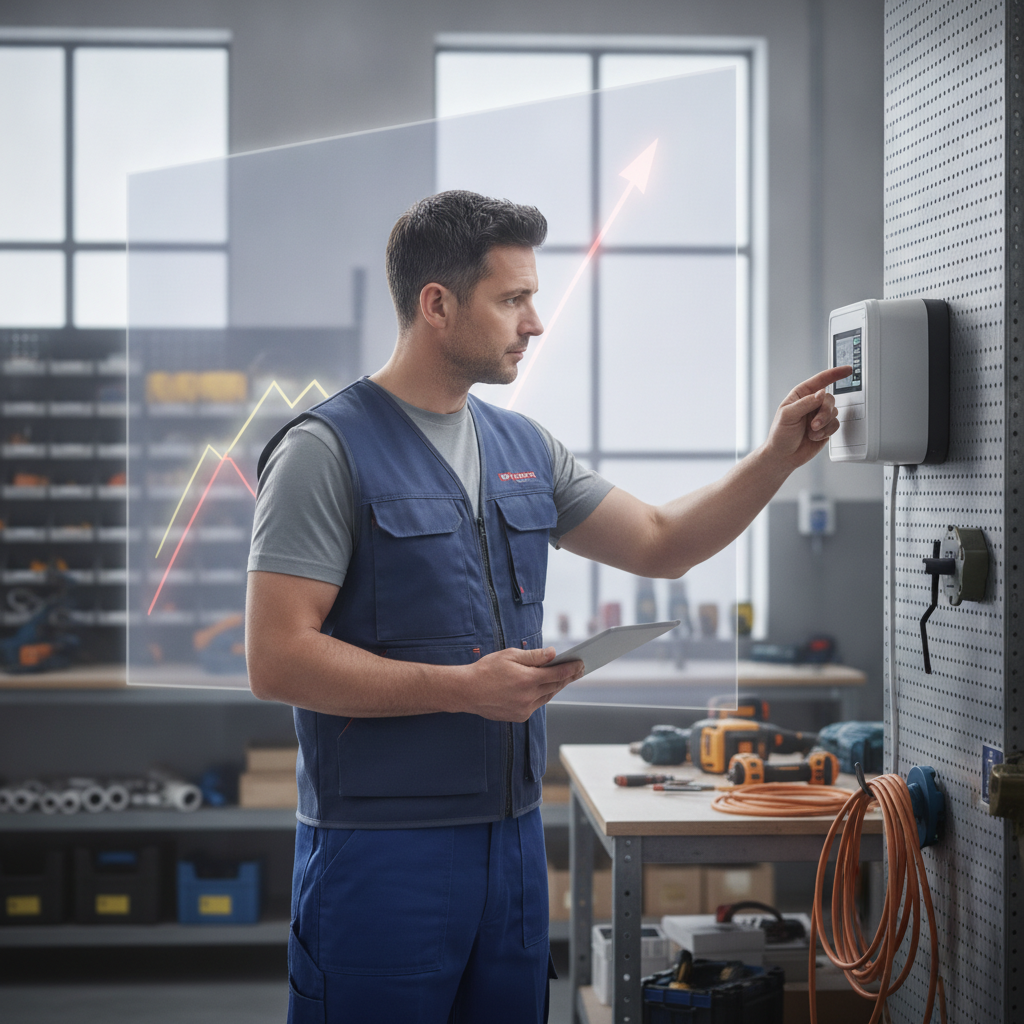
* Heating/Cooling: Is your thermostat set efficiently? Are there draughts around windows or doors? Consider smart thermostats that learn your schedule.
* Equipment: Are power tools, charging stations, and office equipment unplugged when not in use? 'Phantom load' from standby appliances can add up.
* Insulation: Check the insulation in your workshop roof, walls, and around hot water pipes. Improving insulation can drastically reduce heating needs.
2. Invest in Energy-Efficient Equipment
While an upfront cost, investing in more efficient tools and appliances pays dividends in the long run, especially with rising energy prices. Look for equipment with high energy efficiency ratings.
* Power Tools: Modern cordless tools are not only more convenient but often more energy-efficient than older corded models. Ensure your battery chargers are efficient.
* Workshop Heating: If you use electric heaters, consider infrared panel heaters which heat objects directly rather than the air, or upgrade to more efficient heat pumps.
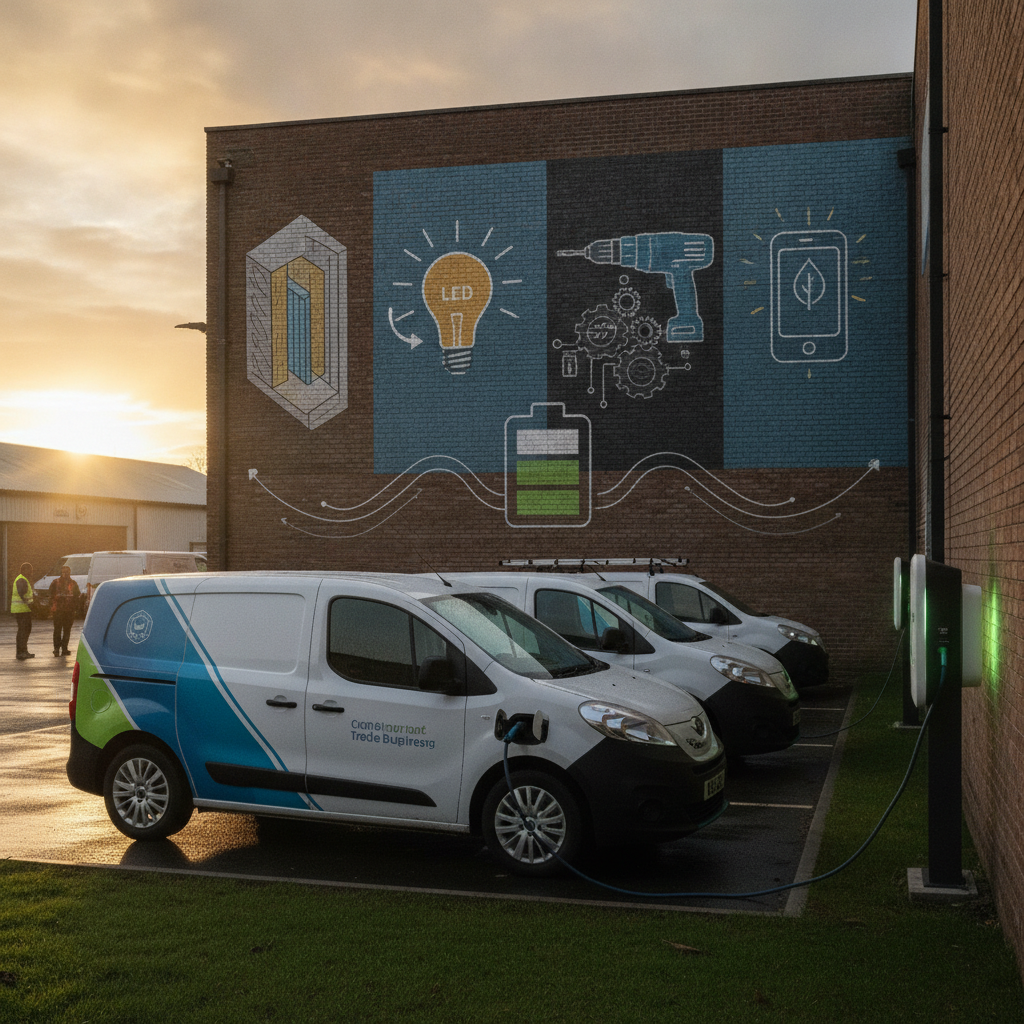
* Vehicles: While not directly electricity/gas, ensuring your van is regularly serviced and tyres are correctly inflated can improve fuel efficiency. Consider electric vans for future replacements if viable for your business.
3. Optimise Heating and Cooling Systems
For premises, heating is often the largest energy drain during autumn and winter. Optimising its use can lead to significant savings.
* Zoning: If your premises have different areas, can you heat only the occupied zones? Consider individual thermostat controls.
* Programmable Thermostats: Set your heating to come on only when needed and turn off automatically outside working hours. Even reducing the temperature by 1°C can save around 10% on your heating bill.
* Regular Maintenance: Ensure boilers and heating systems are serviced annually. An inefficient boiler can consume much more gas or electricity.
4. Implement Smart Energy Habits
These are simple, everyday changes that cost nothing but can save a lot.
- Switch Off: Turn off lights, computers, and chargers when leaving a room or at the end of the day.
- Unplug: Pull the plug on phone chargers, tool chargers, and other electronics when not actively charging or in use.
- Natural Light: Maximise the use of natural daylight in your workshop and office areas.
- Draught Proofing: Seal gaps around windows and doors with simple draught excluders or sealant.
- Hot Water Management: Turn down the thermostat on your water heater if it's set too high, and consider insulating your hot water tank and pipes.
Reviewing Your Energy Tariffs and Suppliers
Reducing consumption is only one part of the equation. The price you pay per unit of energy is equally important.
1. Shop Around for Business Energy Deals
Unlike domestic customers, business energy tariffs are not regulated by Ofgem in the same way, meaning prices can vary significantly between suppliers. Don't let your contract roll over onto an expensive deemed rate.
* Check Contract End Dates: Know when your current energy contract is due to expire. Start looking for new deals 3-6 months before the end date.
* Compare Suppliers: Use business energy comparison websites to get quotes from multiple providers. Be sure to compare like-for-like tariffs and understand any exit fees.
* Fixed vs. Variable: Decide whether a fixed-rate tariff (price per unit stays the same) or a variable-rate tariff (price can change) is better for your business's risk appetite.
2. Consider Renewable Energy Options
Exploring renewable energy sources can offer long-term price stability and environmental benefits.
* Green Tariffs: Many suppliers offer 'green' tariffs where the electricity supplied is matched by renewable sources. These can sometimes be competitive.
* Solar Panels: If you own your workshop or office premises, investing in solar panels can significantly reduce your electricity bill and even generate income through the Smart Export Guarantee (SEG).
Tip:
When comparing business energy deals, always ask about the unit price (p/kWh) and the standing charge (p/day). A low unit price might be offset by a high standing charge, or vice-versa, depending on your consumption patterns.
Leveraging Technology for Operational Efficiency
Efficient operations indirectly reduce energy consumption by minimising wasted time and resources. For example, reducing travel time between jobs means less fuel used and less time spent with the van engine running.
* Job Management Software: Using a robust job management software like TradeFlow can help you optimise your routes, group jobs geographically, and reduce unnecessary travel. This not only saves on fuel but also reduces wear and tear on your vehicles.
* Digital Invoicing & Quoting: Streamlining your administrative tasks with an efficient invoicing app or quote software reduces the need for printing, paper, and associated office energy use. Everything is handled digitally, saving time and resources.
* Remote Working: If aspects of your business (e.g., quoting, administrative tasks) can be done remotely, this can reduce the energy consumption of your main premises.

Future-Proofing Your Business Against Energy Volatility
Beyond immediate cost-saving measures, consider long-term strategies to build resilience against future energy price fluctuations.
* Energy Monitoring: Install smart meters or energy monitoring systems to track your consumption in real-time. Understanding your usage patterns can help identify further areas for improvement.
* Budgeting: Factor in potential energy price increases into your annual budget. This allows for more accurate financial planning and prevents nasty surprises.
* Contingency Fund: Maintain a small contingency fund to absorb unexpected increases in operational costs, including energy.
By taking a proactive approach to energy management, UK tradespeople can navigate the challenges of autumn energy price hikes in 2026. Implementing energy-saving measures, reviewing your tariffs, and leveraging technology for overall efficiency will not only protect your profits but also contribute to a more sustainable business model.
TradeFlow is designed to help UK tradespeople run their businesses more efficiently. From optimising your schedule to streamlining invoicing, our scheduling app and suite of tools can help you reduce wasted time and resources, directly contributing to lower operational costs and better profitability, even in the face of rising energy prices.